
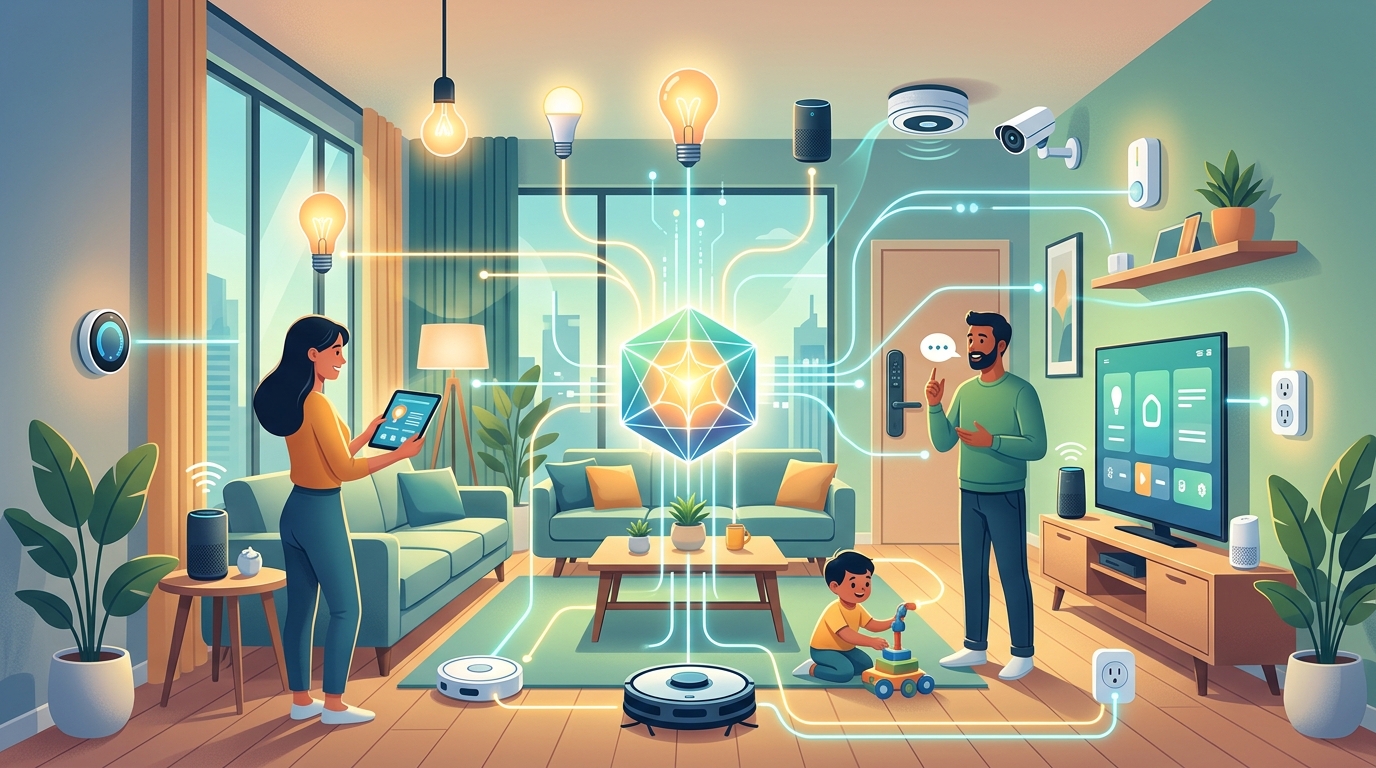
Are you tired of managing multiple smart devices in your connected home, each with its own app and ecosystem? The struggle of juggling between various platforms and interfaces can be a real headache for tech-savvy homeowners. From adjusting the thermostat to turning on the lights or checking security cameras, the lack of seamless integration can hinder the convenience and efficiency promised by the smart home revolution. If you find yourself constantly switching between apps and struggling to create a truly interconnected living space, you’re not alone in this modern dilemma.
Imagine coming home after a long day at work, only to be greeted by a chaotic array of devices that refuse to work together harmoniously. The frustration of dealing with incompatible gadgets, disconnected systems, and the overall lack of cohesion in your smart home setup can leave you feeling overwhelmed and defeated. The dream of a truly connected home where everything works seamlessly together seems like a distant fantasy. But fear not, there is a solution to this technological maze. By understanding what Matter integration is and which devices are compatible, you can unlock the full potential of your connected home. Get ready to simplify your life and experience the true magic of a seamlessly integrated smart home ecosystem that enhances your daily living experience.
Benefits of Matter Integration in Connected Homes
Matter Integration offers a myriad of benefits in connected homes, revolutionizing the way devices communicate and operate within the smart ecosystem. One of the key advantages is the seamless interoperability it provides among different devices from various manufacturers. This interoperability ensures that devices can work together harmoniously, enhancing the overall user experience and convenience.
Moreover, Matter Integration promotes increased security and privacy standards by utilizing advanced encryption protocols and secure communication methods. This not only safeguards sensitive data but also protects connected devices from potential cyber threats. Additionally, the standardized approach of Matter Integration simplifies the setup and management of smart devices, making it easier for users to integrate new devices into their connected homes without compatibility issues.
Future Trends in Connected Home Technology
The future of connected home technology is undoubtedly centered around seamless integration and interoperability, with Matter Integration playing a pivotal role in shaping this landscape. As the adoption of smart devices continues to rise, we can expect to see a proliferation of innovative solutions that leverage the power of Matter Integration to create more cohesive and intelligent smart ecosystems.
Furthermore, advancements in artificial intelligence and machine learning will further enhance the capabilities of connected home devices, enabling them to learn and adapt to user preferences more effectively. From voice-controlled assistants to predictive maintenance features, the future of connected home technology holds immense potential for transforming the way we interact with our living spaces and devices.
Benefits of Matter Integration in Connected Homes
Enhanced Connectivity: Matter integration in connected homes allows for seamless communication between various devices, creating a more integrated and efficient ecosystem. This means that your smart devices can work together harmoniously, enhancing the overall user experience.
Improved User Experience: With Matter integration, users can enjoy a more streamlined and intuitive experience when interacting with their connected devices. This leads to increased convenience, efficiency, and control over their smart home systems.
Compatibility of Devices with Matter Integration
Interoperability: One of the key benefits of Matter integration is its ability to ensure compatibility among different devices from various manufacturers. This standardization allows devices to communicate effectively with each other, regardless of brand, making it easier for users to build a cohesive smart home ecosystem.
Future-Proofing: Devices that are compatible with Matter integration are future-proofed to a certain extent, as they are designed to work seamlessly with upcoming technologies and updates. This ensures that your smart home system remains relevant and functional as new devices and features are introduced to the market.
Compatibility of Devices with Matter Integration
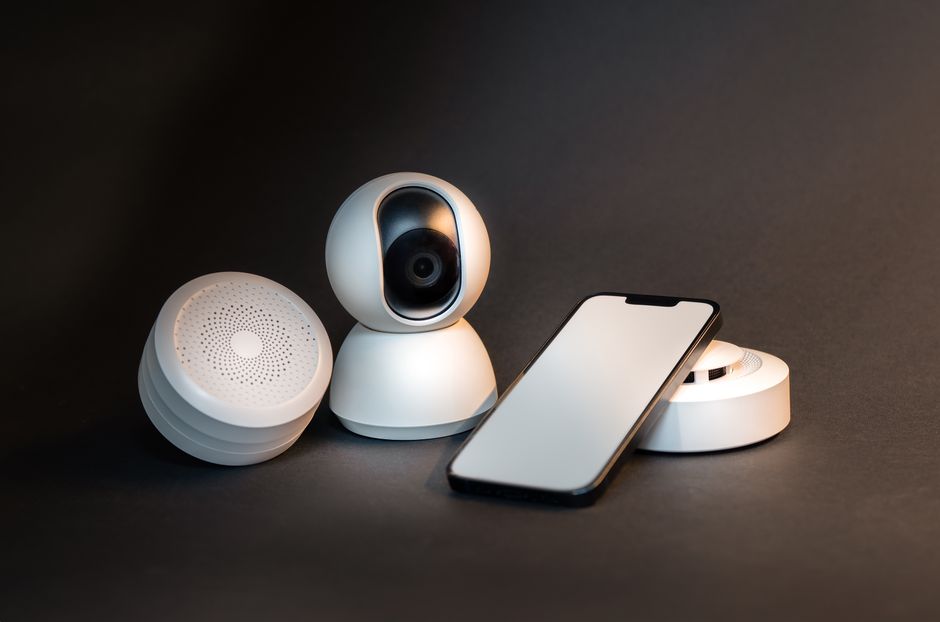
Matter Integration is designed to work seamlessly with a wide range of devices in connected homes. One of the key advantages of Matter is its ability to ensure interoperability among different smart devices, regardless of the brand or manufacturer. This means that users can mix and match devices from various brands and still enjoy a cohesive and integrated smart home experience.
By adhering to a common standard, Matter Integration eliminates compatibility issues that often arise when trying to connect devices from different ecosystems. Whether it’s smart lights, thermostats, security cameras, or other smart gadgets, Matter ensures that these devices can communicate effectively with each other, making it easier for users to create a truly interconnected and cohesive smart home environment.
How to Set Up Matter Integration in Your Home
Setting up Matter Integration in your home is a straightforward process that begins with ensuring that your devices are Matter-certified. Once you have compatible devices, you can create a network using a Matter-compatible hub or router. This hub acts as the central point of communication for all your smart devices, allowing them to connect and interact seamlessly.
After setting up the hub, you can use the Matter app to discover and add your devices to the network. The app will guide you through the setup process, helping you configure each device and establish rules and automation routines. With Matter Integration in place, you can control your smart home devices with ease, whether through voice commands, smartphone apps, or automation schedules.
5. Troubleshooting Common Issues with Matter Integration
Common issues with Matter Integration in connected homes can sometimes arise, causing frustration for users. One of the most frequent problems is interference between devices, leading to connectivity issues. This can be tackled by ensuring that all devices are within the recommended range and that there are no physical obstructions blocking the signals.
Another common issue is compatibility problems between devices and the Matter Integration protocol. In such cases, it is essential to check for firmware updates for the devices and ensure that they are all using the latest versions to maintain seamless integration. Additionally, network configuration issues can also hinder the proper functioning of Matter Integration, necessitating a thorough check of the network settings to identify and resolve any discrepancies.
6. Future Trends in Connected Home Technology
The future of connected home technology looks promising, with advancements in Artificial Intelligence (AI) and Internet of Things (IoT) set to revolutionize how homes operate. Integration of Matter protocol across a wider range of devices will enhance interoperability and seamless communication between different systems.
Moreover, voice-controlled assistants and smart algorithms will play a significant role in the future of connected homes, making interactions with devices more intuitive and personalized. As technology continues to evolve, we can expect a more integrated and efficient ecosystem in connected homes, offering greater convenience and comfort to users.
Future Trends in Connected Home Technology
Connected home technology is evolving rapidly, with Matter Integration playing a crucial role in shaping the future of smart homes. As we look ahead, we can expect to see a greater emphasis on interoperability and seamless connectivity among various smart devices. This will not only enhance the user experience but also pave the way for more advanced functionalities.
One of the key future trends in connected home technology is the integration of artificial intelligence (AI) to make smart devices more intuitive and responsive to user needs. AI-powered assistants will become more sophisticated, enabling homeowners to interact with their connected devices in more natural and conversational ways. Additionally, advancements in sensor technology and data analytics will further enhance the capabilities of connected home systems, allowing for more personalized and automated experiences.
Embracing Matter Integration
Matter Integration is set to revolutionize the way we interact with connected home devices. By embracing this new standard, homeowners can look forward to a seamless and efficient smart home experience. With Matter, different devices from various manufacturers can communicate effortlessly, eliminating the need for multiple apps or hubs.
As the technology continues to evolve and gain popularity, it’s essential for consumers to stay informed and adapt to these changes. Embracing Matter Integration means investing in a future-proof smart home setup that offers convenience, interoperability, and enhanced user experience. By adopting this standard, homeowners can unlock the full potential of their connected devices and enjoy a more streamlined and intuitive living environment.