
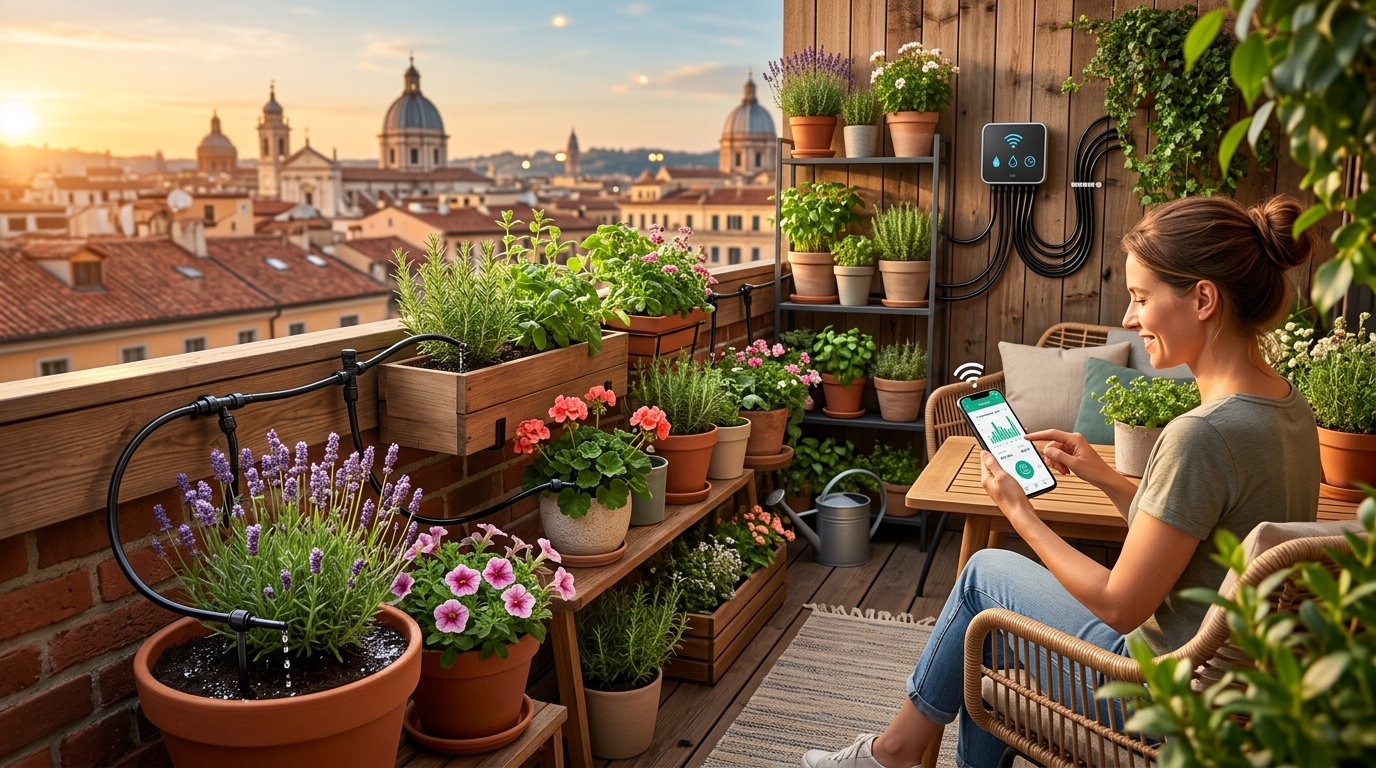
Are you tired of constantly worrying about overwatering or underwatering your terrace plants? Do you find yourself struggling to keep your plants healthy while also conserving water effectively? If you’re nodding along, then you’re not alone in facing the challenges of traditional irrigation methods. The core problem lies in the inefficiency and lack of control that comes with manual watering systems, leading to wasted water, higher utility bills, and the constant stress of ensuring your plants receive the right amount of water.
Imagine coming home after a long day at work, only to find your terrace plants wilting from dehydration or, conversely, suffering from waterlogged soil. The frustration of seeing your hard work go to waste due to inconsistent watering practices can be disheartening. Not to mention the environmental impact of excessive water usage and the financial strain of escalating water bills. But fear not, as there is a modern and efficient solution at hand. Smart irrigation systems for terraces offer a game-changing approach to plant care, providing water savings, precise scheduling, and remote control at your fingertips. Say goodbye to guesswork and hello to a lush, thriving terrace garden with the convenience and sustainability that smart irrigation systems bring.
Benefits of Smart Irrigation Systems
Smart irrigation systems offer a range of benefits that make them a wise choice for modern agriculture and landscaping practices. One key advantage is the ability to optimize water usage by incorporating sensors and data analytics to deliver the right amount of water to plants based on their specific needs. This not only conserves water but also promotes healthier plant growth by avoiding over or under-watering. Additionally, smart irrigation systems can be programmed and controlled remotely, allowing users to adjust settings from anywhere using a smartphone or computer. This level of convenience saves time and effort while ensuring that plants receive the necessary care.
Remote Scheduling Features
With remote scheduling features, smart irrigation systems empower users to set customized watering schedules without the need for manual intervention. This capability is particularly beneficial for those who travel frequently or have busy schedules, as it ensures that plants continue to receive proper irrigation even when users are away. By accessing the system remotely, users can monitor weather conditions, soil moisture levels, and plant requirements to make informed decisions about watering frequency and duration. This intelligent automation not only simplifies maintenance tasks but also contributes to water conservation efforts by preventing unnecessary watering and reducing water wastage.
Benefits of Smart Irrigation Systems
Smart irrigation systems offer numerous benefits for both residential and commercial properties. One of the primary advantages is water efficiency, as these systems use advanced technologies to precisely deliver the right amount of water to plants based on factors like soil moisture levels and weather conditions. This targeted approach not only conserves water but also promotes healthier plant growth by avoiding overwatering or underwatering. Additionally, smart irrigation systems help reduce water wastage, leading to cost savings on water bills for property owners. Another key benefit is the convenience they provide through automated scheduling and remote access, allowing users to control their irrigation system from anywhere using a smartphone or computer.
Components of Smart Irrigation Systems
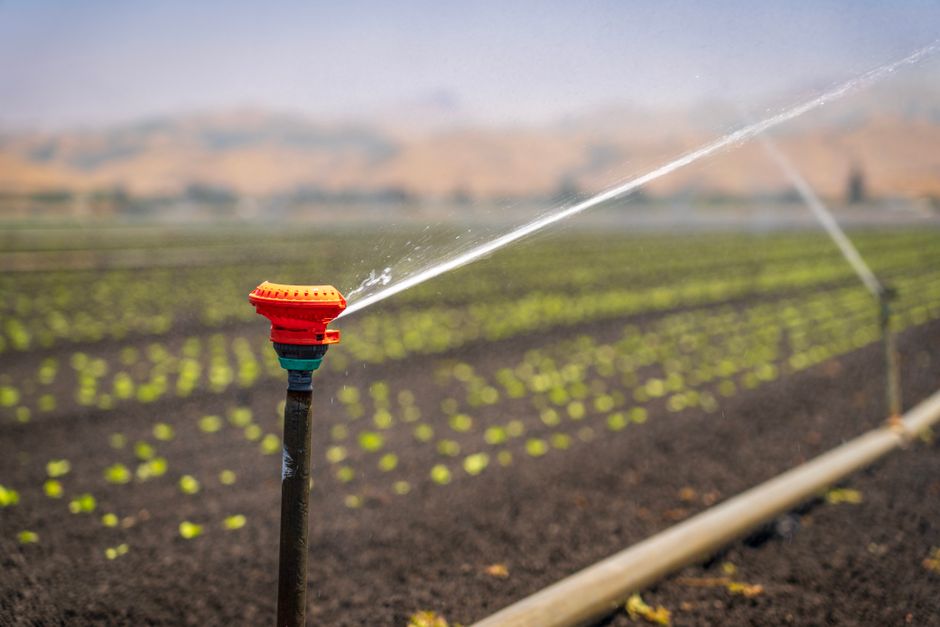
Smart irrigation systems consist of several key components that work together to optimize water usage and ensure efficient irrigation practices. The main components include weather sensors, soil moisture sensors, controllers, valves, and sprinklers. Weather sensors gather real-time data on environmental conditions such as temperature, humidity, and rainfall, which is used to adjust irrigation schedules accordingly. Soil moisture sensors measure the moisture content in the soil, helping the system determine when and how much water to apply. Controllers act as the brain of the system, interpreting data from sensors and sending signals to valves to open or close, controlling the flow of water to sprinklers. Overall, these components collaborate to create a smart, responsive irrigation system that adapts to changing conditions and promotes sustainable water management.
Benefits of Smart Irrigation Systems
Smart irrigation systems offer numerous benefits for homeowners and businesses alike. These systems utilize advanced technology to optimize water usage, resulting in significant cost savings on water bills. By automatically adjusting watering schedules based on real-time weather data and soil moisture levels, smart irrigation systems help prevent overwatering and ensure that plants receive the right amount of water they need to thrive. Additionally, these systems can be controlled remotely via mobile apps, allowing users to monitor and adjust watering schedules from anywhere, enhancing convenience and efficiency.
Remote Scheduling Features
Remote scheduling features are a key component of smart irrigation systems, providing users with greater control and flexibility over their watering schedules. With the ability to remotely access and adjust watering settings through a smartphone or computer, users can easily create customized watering schedules based on specific plant needs, weather conditions, and water restrictions. This feature not only simplifies the irrigation process but also allows for efficient water management, ensuring that landscapes receive the right amount of water at the right time. Remote scheduling features empower users to optimize water usage, conserve resources, and promote healthier plant growth with minimal effort.
5. Water Saving Techniques
Water saving techniques are crucial for the efficient and sustainable use of smart irrigation systems. One effective technique is soil moisture sensors, which monitor the moisture levels in the soil and only trigger irrigation when necessary, preventing overwatering. Another important method is the use of weather-based irrigation controllers, which adjust watering schedules based on weather conditions such as temperature, humidity, and rainfall. Additionally, drip irrigation systems can significantly reduce water waste by delivering water directly to the roots of plants, minimizing evaporation and runoff.
Implementing proper irrigation scheduling and zoning can also contribute to water conservation efforts. By dividing the landscape into zones based on plant water needs and soil type, water can be applied more efficiently, reducing water usage and promoting healthier plant growth. Overall, incorporating these water saving techniques into smart irrigation systems not only conserves water resources but also promotes environmental sustainability and cost savings for users.
Case Studies and Success Stories
Case studies and success stories are powerful tools in showcasing the real-world benefits of smart irrigation systems. By highlighting specific examples of successful implementation, potential users can see the tangible results that others have achieved. These stories serve as testimonials to the effectiveness and efficiency of smart irrigation technologies in various settings, such as residential, commercial, or agricultural.
Success stories can provide insights into the specific challenges faced by users, the solutions implemented, and the measurable outcomes in terms of water savings, improved plant health, and cost reductions. These real-life examples can help inspire confidence in those considering adopting smart irrigation systems, demonstrating the practical advantages and positive impact that such systems can have on water management and sustainability efforts.
Conclusion and Future Developments
Conclusion: In conclusion, smart irrigation systems represent a significant advancement in agricultural and landscaping practices. By leveraging technology to optimize water usage, these systems offer a sustainable solution to water scarcity and rising costs. The benefits of smart irrigation systems are clear, from improved efficiency and cost savings to environmental conservation and healthier plant growth. As the demand for water-efficient solutions continues to grow, the adoption of smart irrigation systems is expected to increase rapidly across various industries.
Future Developments: Looking ahead, the future of smart irrigation systems holds great promise for further innovations and advancements. Developments in sensor technology, data analytics, and automation are poised to enhance the capabilities of these systems, making them even more intelligent and adaptable to changing environmental conditions. Additionally, the integration of smart irrigation systems with Internet of Things (IoT) platforms and artificial intelligence (AI) algorithms is anticipated to revolutionize water management practices, leading to more precise and sustainable irrigation strategies. With ongoing research and development, the future of smart irrigation systems is bright, offering endless possibilities for improved efficiency, productivity, and environmental stewardship.