
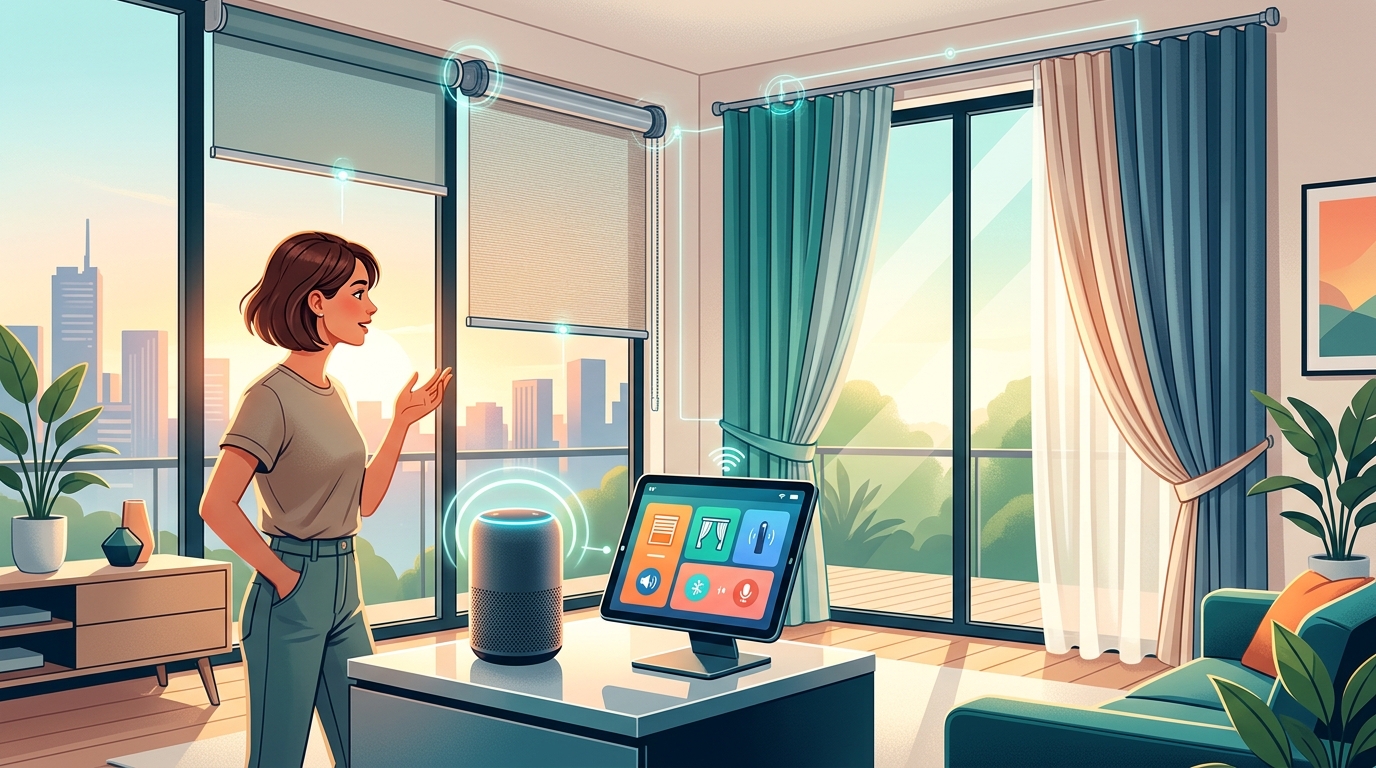
Are you tired of constantly adjusting your blinds and curtains throughout the day? The struggle of maintaining privacy, managing light levels, and keeping your home comfortable can be a never-ending battle. From hard-to-reach windows to the hassle of manual operation, it’s easy to feel overwhelmed by the sheer effort required to maintain your window treatments. This daily inconvenience not only disrupts your peace of mind but also takes up valuable time and energy that could be better spent elsewhere. If only there was a simpler, more efficient way to control your blinds and curtains…
Imagine coming home after a long day, eager to relax in your perfectly dimmed living room, only to find yourself grappling with tangled cords and unevenly adjusted blinds. The frustration peaks as you realize that your window coverings are not only difficult to operate but also limited in their functionality. The missed opportunities for energy savings, convenience, and comfort become glaringly obvious, leaving you longing for a solution that can seamlessly integrate automation into your home. Enter the world of blind and curtain automation: a game-changing technology that offers motors, compatibility with smart devices, and voice control capabilities. Say goodbye to manual adjustments and hello to a more streamlined, modern way of managing your window treatments. Get ready to transform your living space with the ultimate blend of convenience and sophistication.
Types of Motors for Blind and Curtain Automation
When it comes to automating blinds and curtains, choosing the right type of motor is crucial for ensuring smooth operation and optimal performance. There are primarily two types of motors commonly used in blind and curtain automation systems: electric motors and battery-powered motors.
Electric motors are typically hardwired into the electrical system of a building and offer a reliable power source for operating blinds and curtains. They are ideal for heavy-duty applications and are often preferred for larger or commercial installations where consistent power is essential. On the other hand, battery-powered motors are a more flexible option that can be easily installed without the need for complex wiring. These motors are powered by rechargeable batteries, providing a convenient solution for residential settings or locations where wiring may be challenging.
Compatibility of Automation Systems with Different Blinds and Curtains
One of the key considerations when implementing a blind and curtain automation system is ensuring compatibility with the existing window treatments. Automation systems are designed to work with a variety of blind and curtain types, including roller blinds, Roman shades, vertical blinds, and draperies.
Modern automation solutions offer versatile compatibility options, allowing users to integrate their preferred blinds and curtains seamlessly with the automation system. It is important to check the specifications of both the automation system and the window treatments to ensure they are compatible and can be controlled effectively. By selecting compatible components, users can enjoy the benefits of automated operation while maintaining the aesthetic appeal and functionality of their blinds and curtains.
Compatibility of Automation Systems with Different Blinds and Curtains
Blind and curtain automation systems come in various types and designs, each with its own set of compatibility requirements. When choosing an automation system for your blinds or curtains, it is crucial to consider factors such as the type of window treatment you have, the weight of the fabric, and the size of the window. Some automation systems are specifically designed for roller blinds, while others are more suitable for curtains with heavy fabrics. It’s essential to ensure that the automation system you select is compatible with the blinds or curtains you already have installed in your home.
Voice Control Integration for Blind and Curtain Automation
Voice control integration has revolutionized the way we interact with automated systems, including blind and curtain automation. By incorporating voice control technology into your automation system, you can easily command your blinds or curtains to open, close, or adjust to a specific position using simple voice commands. This hands-free approach offers convenience and accessibility, especially for individuals with mobility issues or those looking to streamline their daily routines. Voice control integration adds a touch of modernity and sophistication to your home while enhancing the overall user experience of your automated blind and curtain systems.

4. Voice Control Integration for Blind and Curtain Automation
Voice control integration is a cutting-edge feature in blind and curtain automation systems, allowing users to operate their window treatments effortlessly using voice commands. By simply speaking to a smart assistant or device like Amazon Alexa or Google Home, users can open, close, or adjust their blinds and curtains without having to lift a finger. This hands-free operation adds convenience and a touch of luxury to any living space.
Advantages of Voice Control Integration
One of the key advantages of voice control integration is the seamless integration with smart home ecosystems. Users can easily create routines and schedules to automate their blinds and curtains based on their daily activities or preferences. Additionally, voice control eliminates the need for physical remotes or manual operation, making it a user-friendly and accessible feature for individuals with mobility issues or disabilities.
Benefits of Automated Blind and Curtain Systems
Automated blind and curtain systems offer a range of benefits that enhance convenience, comfort, and energy efficiency in residential and commercial spaces. By automating the opening and closing of blinds and curtains, users can easily control natural light levels, privacy, and room ambiance with the touch of a button or a voice command. This level of control allows for customization of settings based on time of day, weather conditions, or personal preferences, creating a more comfortable living or working environment.
In addition, automated systems can contribute to energy savings by optimizing natural light utilization and reducing heat gain or loss through windows. This can result in lower energy bills and a reduced carbon footprint. Furthermore, automated blind and curtain systems can enhance home security by giving the appearance of occupancy when residents are away, deterring potential intruders. Overall, the benefits of automated blind and curtain systems extend beyond convenience to include energy efficiency, comfort, and security.
Installation Guide for Motorized Blind and Curtain Systems
Step 1: Start by measuring the width and height of your windows to ensure you purchase the correct size motorized blinds or curtains. Make sure to account for any obstructions like handles or locks that may interfere with the installation.
Step 2: Next, install the brackets or mounting hardware according to the manufacturer’s instructions. Use a level to ensure the brackets are straight and secure. Double-check the measurements before proceeding to avoid any issues during installation.
Mounting the Motorized System
Once the brackets are securely in place, attach the motorized system to the brackets following the provided guidelines. Make sure the system is properly aligned and level to prevent any operational problems later on.
Programming and Testing
After mounting the system, follow the programming instructions to set up the motorized blinds or curtains. Test the system to ensure it moves smoothly and responds correctly to commands. Make any necessary adjustments before completing the installation process for optimal performance.
7. Troubleshooting Common Issues in Blind and Curtain Automation
Encountering issues with your automated blind and curtain systems can be frustrating, but understanding common problems and how to troubleshoot them can help you quickly resolve any issues. One common issue is the blinds or curtains not responding to commands, which could be due to a power outage, low battery, or signal interference. Check the power source, replace batteries, or reposition the control hub to improve signal reception.
Motor malfunction is another common problem that may arise, causing the blinds or curtains to move erratically or not at all. In this case, check the motor connections, ensure they are securely plugged in, and test different control methods to identify the root cause. Regular maintenance and keeping track of software updates can also prevent potential issues and ensure smooth operation of your automated blind and curtain systems.