
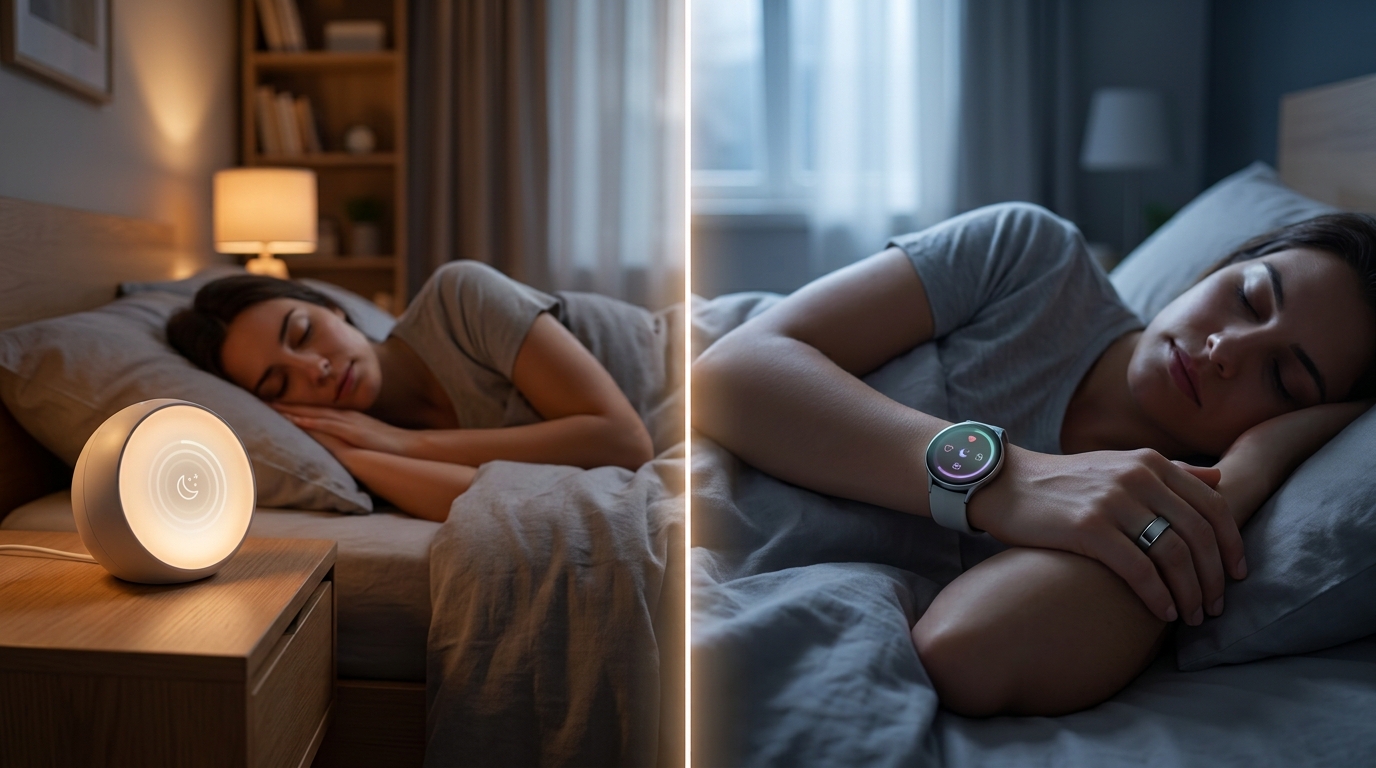
Do you ever find yourself tossing and turning at night, wondering if you’re getting enough quality sleep? The struggle to achieve a restful night’s sleep is a common problem faced by many in today’s fast-paced world. With the growing awareness of the importance of sleep on overall health and well-being, individuals are seeking ways to track and improve their sleep patterns. This leads us to the age-old question: which is better, bedside monitors or nighttime wearables, when it comes to tracking your sleep accurately and effectively?
Imagine waking up feeling groggy and fatigued, unable to shake off the drowsiness from a night of restless sleep. The frustration of not knowing how to improve your sleep quality can take a toll on your productivity, mood, and overall health. Without proper insights into your sleep patterns, you may continue to struggle with daytime drowsiness, irritability, and lack of focus. The consequences of poor sleep can impact every aspect of your life, from your work performance to your relationships. It’s time to put an end to the cycle of sleepless nights and embrace a solution that can help you take control of your sleep health.
Enter the debate between bedside monitors and nighttime wearables for tracking your sleep habits. By understanding the differences between these two types of devices, you can make an informed decision on which one suits your lifestyle and sleep tracking needs best. Whether you prefer the convenience of a wearable device or the accuracy of a bedside monitor, finding the right sleep tracking solution can be a game-changer in improving the quality of your sleep. Say goodbye to restless nights and hello to a well-rested, rejuvenated you – it’s time to unlock the secrets of a good night’s sleep with the right tracking device by your side.
Benefits of Using Sleep Tracking Devices
Sleep tracking devices offer a range of benefits that can significantly improve your overall sleep quality and health. By monitoring your sleep patterns and cycles, these devices provide valuable insights into your sleep habits, helping you understand factors that may be affecting your rest. With this information, you can make informed decisions to optimize your sleep environment and routines for better quality rest.
Additionally, sleep tracking devices can help identify sleep disorders such as insomnia or sleep apnea by tracking irregularities in your sleep patterns. Early detection of these issues can lead to timely intervention and treatment, ultimately improving your overall health and well-being. By utilizing the data gathered by these devices, you can take proactive steps towards achieving a more restful and rejuvenating sleep each night.
Comparison of Bedside Monitors and Nighttime Wearables
Bedside Monitors: These sleep tracking devices are typically placed near the bed or under the mattress to monitor sleep patterns and quality. They are non-intrusive and provide detailed insights into sleep stages, heart rate, breathing patterns, and snoring. Bedside monitors offer a comprehensive analysis of sleep data and are ideal for individuals who prefer a hands-off approach to tracking their sleep.
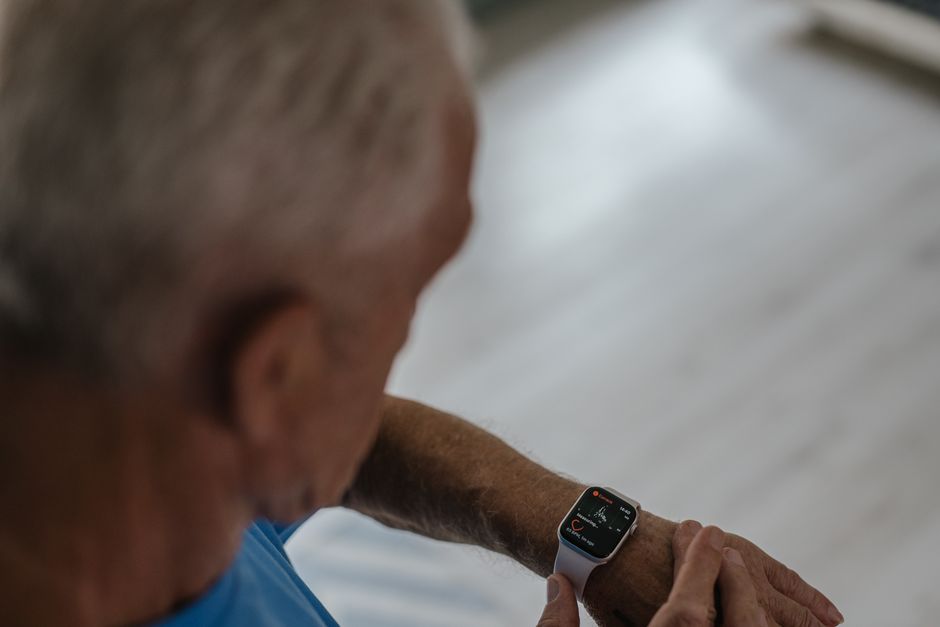
Nighttime Wearables: In contrast, nighttime wearables are devices that are worn on the body while sleeping, such as smartwatches or fitness trackers. They offer the convenience of continuous monitoring throughout the night and can track movement, heart rate variability, and even provide personalized sleep recommendations. Nighttime wearables are suitable for those who want a more integrated approach to tracking their sleep and daily activities.
Features to Consider When Choosing a Sleep Tracking Device
Accuracy: One of the key factors to consider when choosing a sleep tracking device is its accuracy in monitoring your sleep patterns. Look for devices that use advanced sensors and algorithms to provide precise data on your sleep quality, duration, and stages.
Comfort: Comfort is essential when selecting a sleep tracking device, especially if you plan to wear it throughout the night. Opt for devices that are lightweight, breathable, and designed to be worn comfortably on your wrist or placed discreetly on your bedside.
Battery Life: Check the battery life of the sleep tracking device to ensure it can last through the night without needing frequent recharging. Devices with long battery life are ideal for uninterrupted sleep tracking.
Data Analysis: Consider devices that offer comprehensive data analysis and insights into your sleep patterns. Look for features like sleep score calculations, personalized recommendations, and detailed sleep reports to help you understand and improve your sleep habits.
Top Sleep Tracking Devices in the Market
Fitbit Versa 3: Known for its accurate sleep tracking capabilities, the Fitbit Versa 3 offers features like SpO2 monitoring, sleep stage tracking, and a long battery life. It provides detailed insights into your sleep quality and helps you make informed decisions to improve your sleep habits.
Garmin Vivosmart 4: The Garmin Vivosmart 4 is a sleek and comfortable sleep tracking device that monitors your sleep stages, heart rate, and stress levels. With its Body Battery feature, it helps you optimize your sleep schedule for better overall health and well-being.
Withings Sleep Analyzer: The Withings Sleep Analyzer is a non-wearable device that sits under your mattress to track your sleep cycles, heart rate, and snoring patterns. It offers advanced sleep analysis and compatibility with smart home devices for a seamless sleep tracking experience.
Top Sleep Tracking Devices in the Market
When it comes to choosing a sleep tracking device, there are several top options available in the market that cater to different needs and preferences. One popular choice is the Fitbit Versa 3, known for its accurate sleep tracking capabilities and sleek design. It offers detailed insights into your sleep patterns and quality, helping you make adjustments to improve your sleep.
Another standout device is the Oura Ring, a stylish and advanced sleep tracker that monitors your sleep stages, heart rate variability, and activity levels. Its comprehensive data analysis provides valuable information for optimizing your sleep quality and overall health. For those looking for a budget-friendly option, the Xiaomi Mi Band 6 offers reliable sleep tracking features at a more affordable price point, making it a great entry-level choice for beginners.
Top Sleep Tracking Devices in the Market
When it comes to selecting a sleep tracking device, there are several top options available in the market that cater to different needs and preferences. One popular choice is the XYZ Sleep Tracker, known for its accurate monitoring of sleep stages and insightful sleep data analysis. It offers advanced features such as heart rate tracking and personalized sleep recommendations, making it a comprehensive tool for improving sleep quality.
Another leading device is the ABC Smart Sleep Monitor, which focuses on providing detailed sleep insights through its intuitive mobile app. Users can track their sleep patterns, receive sleep scores, and access tips for better sleep hygiene. The ABC Smart Sleep Monitor is praised for its user-friendly interface and customizable settings, making it a top choice for those seeking a simple yet effective sleep tracking solution.
User Reviews and Ratings of Bedside Monitors and Nighttime Wearables
When considering user reviews and ratings of bedside monitors and nighttime wearables, it’s essential to look for feedback that aligns with your specific needs and priorities. Some users may prioritize accuracy and reliability in tracking sleep metrics, while others may value comfort and ease of use. By reading firsthand experiences and ratings from other users, you can gain valuable insights into the performance and usability of different devices.
Keep an eye out for reviews that highlight key features, pros, and cons of each device to make an informed decision. User ratings can also provide an overall indication of customer satisfaction and help you gauge the effectiveness of a sleep tracking device in real-world scenarios. Ultimately, user reviews and ratings play a crucial role in selecting the right bedside monitor or nighttime wearable that suits your individual sleep tracking goals.
Selecting the Right Sleep Tracking Device
Choosing the right sleep tracking device is crucial for improving your overall sleep quality and health. With the market flooded with various options, it’s essential to consider your specific needs and preferences before making a decision. Whether you opt for a bedside monitor or a nighttime wearable, ensure that the device offers features that align with your sleep tracking goals.
Look for devices that provide accurate data, user-friendly interfaces, and long battery life. Additionally, consider factors such as comfort, design, and compatibility with your existing devices. Reading user reviews and ratings can also give you valuable insights into the performance and reliability of different sleep tracking devices. By taking the time to research and compare options, you can select a device that best suits your lifestyle and helps you achieve better sleep habits.