

Do you ever find yourself struggling to maintain the perfect balance in your home environment? Whether it’s managing your outdoor irrigation system or ensuring optimal indoor climate control, the challenge of achieving precision can often feel like an uphill battle. The core problem many of us face is the lack of accurate and real-time data to make informed decisions. Without the right information at our fingertips, we are left guessing and adjusting blindly, leading to wasted resources and less-than-ideal living conditions.
Imagine the frustration of overwatering your garden due to inaccurate weather forecasts or constantly battling with inconsistent indoor temperatures that never seem to hit the mark. Not only does this result in wasted water and energy, but it also impacts the health of your plants and the comfort of your home. The consequences of not having precise data to optimize your irrigation and indoor climate can be costly both financially and environmentally. But fear not, as there is a solution at hand that can revolutionize the way you manage your home environment. Introducing home weather stations – your key to unlocking precise data that will empower you to make smarter decisions and achieve the perfect balance in your outdoor and indoor spaces. Say goodbye to guesswork and hello to efficiency and comfort with this innovative solution that puts control back in your hands.
Benefits of Home Weather Stations
Home weather stations offer a range of benefits for both amateur weather enthusiasts and professional meteorologists alike. These devices provide real-time data on temperature, humidity, air pressure, wind speed, and precipitation, allowing users to monitor and track weather patterns in their own backyard. By having access to accurate and localized weather information, homeowners can make informed decisions about outdoor activities, gardening, and even home maintenance. Additionally, home weather stations can help users prepare for severe weather events by providing early warnings and alerts.
Choosing the Right Home Weather Station
When selecting a home weather station, it’s important to consider factors such as accuracy, range, connectivity, and ease of use. Look for a device that offers precise measurements and reliable sensors to ensure the data collected is trustworthy. Consider the transmission range of the station to ensure it can communicate effectively with indoor displays or smartphone apps. Connectivity options such as Wi-Fi or Bluetooth can enhance the user experience by allowing for remote monitoring and data sharing. Finally, opt for a weather station that is user-friendly and comes with clear instructions for setup and maintenance.
Benefits of Home Weather Stations
Home weather stations offer a range of benefits for individuals and households. By providing accurate and real-time weather data specific to your location, these devices enable you to make informed decisions about outdoor activities, gardening, and home maintenance. Weather stations can help you monitor temperature, humidity, barometric pressure, wind speed, and rainfall, allowing you to plan your day effectively and stay prepared for any weather changes. Additionally, home weather stations contribute to increased safety by providing early warnings for severe weather conditions such as storms, hurricanes, or extreme temperature fluctuations. With the convenience of accessing weather information right from your home, these devices offer valuable insights for optimizing your daily routines and ensuring a comfortable and safe environment for your family.
How Home Weather Stations Work
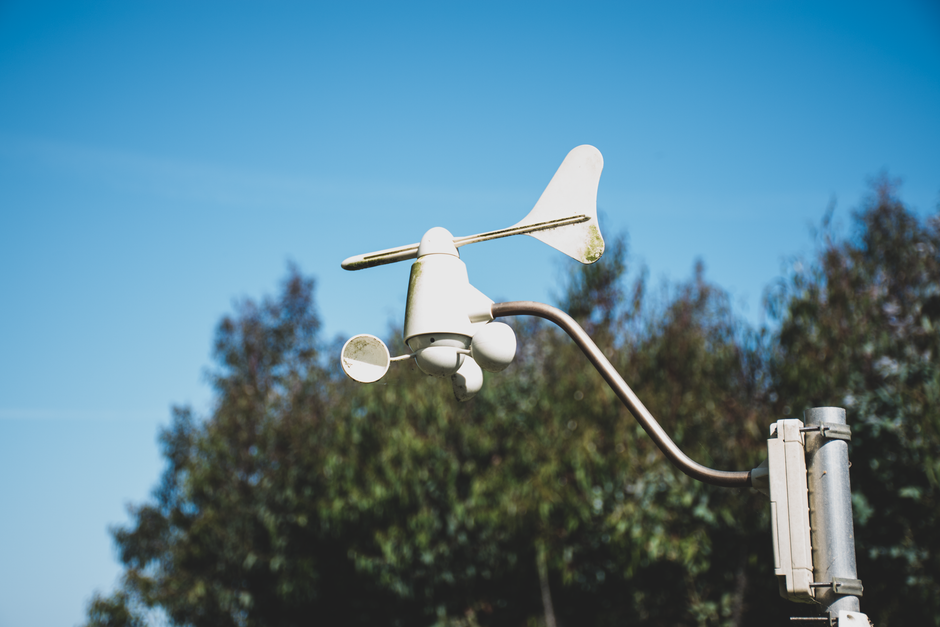
Home weather stations operate by utilizing a combination of sensors and technology to collect and analyze environmental data. These stations typically consist of sensors for measuring temperature, humidity, pressure, wind speed, and rainfall. The data collected by these sensors is then processed and transmitted to a display unit or a connected app for users to access. Some advanced weather stations may also include additional features like UV index monitoring, lightning detection, and wireless connectivity for remote access. By leveraging these components, home weather stations provide users with accurate and up-to-date information about their local weather conditions, enabling them to make informed decisions and adjustments based on the data received. Understanding how home weather stations work can help users maximize the benefits of these devices and enhance their overall experience in monitoring and managing weather-related aspects of their daily lives.
Choosing the Right Home Weather Station
When it comes to selecting the ideal home weather station for your needs, there are several key factors to consider. First and foremost, think about the level of accuracy you require for weather data collection. Different models offer varying degrees of precision, so it’s important to match the station’s capabilities with your specific use case. Consider whether you need additional sensors beyond the basic temperature and humidity readings, such as wind speed, rainfall, or UV index monitoring. Another crucial aspect is the connectivity options provided by the weather station. Some models offer Wi-Fi or Bluetooth connectivity, allowing you to access real-time data remotely via your smartphone or computer. Lastly, think about the ease of installation and maintenance, as well as the overall durability and weather resistance of the device.
Using Weather Data for Irrigation Optimization
Home weather stations can play a critical role in optimizing irrigation practices for your garden or lawn. By collecting accurate and real-time weather data, you can ensure that your plants receive the right amount of water based on environmental conditions. Monitoring factors like rainfall, temperature, and humidity allows you to adjust your irrigation schedule accordingly, preventing overwatering or underwatering. Some advanced weather stations even offer predictive capabilities, helping you anticipate upcoming weather patterns and adjust your irrigation plans in advance. By harnessing the power of weather data, you can not only promote healthier plant growth but also save water and reduce overall water wastage, contributing to a more sustainable and efficient gardening approach.
Choosing the Right Home Weather Station
Choosing the right home weather station can be a crucial decision for weather enthusiasts, gardeners, or anyone looking to optimize their daily routines based on weather data. When selecting a home weather station, consider factors such as accuracy, sensor types, connectivity options, and ease of installation. High-quality sensors for temperature, humidity, wind speed, and rainfall are essential for reliable data collection. Wireless connectivity allows for seamless integration with smartphones or computers, providing real-time updates and alerts. Additionally, look for a weather station that suits your specific needs, whether it’s for basic weather monitoring or advanced forecasting.
Using Weather Data for Irrigation Optimization
Utilizing weather data for irrigation optimization can significantly improve water efficiency and plant health in your garden or landscape. By monitoring weather conditions such as temperature, humidity, and rainfall, you can adjust your irrigation schedule accordingly to avoid overwatering or underwatering. Some advanced home weather stations offer features like soil moisture sensors and customizable watering schedules based on real-time weather data. This data-driven approach not only conserves water but also promotes healthier plant growth by providing the right amount of moisture at the right time. Incorporating weather data into your irrigation practices can lead to greener, more sustainable landscapes.
Monitoring Indoor Climate with Home Weather Stations
Home weather stations are versatile tools that not only provide valuable outdoor weather data but also enable homeowners to monitor the indoor climate of their living spaces. By incorporating sensors to measure temperature, humidity, and air quality indoors, these stations offer insights into the comfort levels inside the house. This information can help individuals adjust heating, cooling, and ventilation systems for optimal comfort and health.
Monitoring indoor climate with home weather stations is particularly beneficial for individuals with respiratory conditions or allergies, as it allows them to keep track of air quality indicators like pollen levels or particulate matter indoors. Additionally, by observing trends in indoor climate data over time, homeowners can identify patterns and make informed decisions to create a healthier and more comfortable living environment for themselves and their families.
Home weather stations offer a valuable tool for individuals looking to take control of their surroundings and make informed decisions based on accurate weather data. Whether it’s optimizing irrigation schedules, monitoring indoor climate conditions, or simply staying informed about the weather in your immediate area, these devices provide a wealth of benefits for users.
By selecting the right home weather station that meets your specific needs and preferences, you can enhance your daily routines, improve efficiency, and even contribute to environmental sustainability. Embracing this technology not only empowers individuals to make better decisions but also fosters a deeper understanding and appreciation of the natural world around us.