
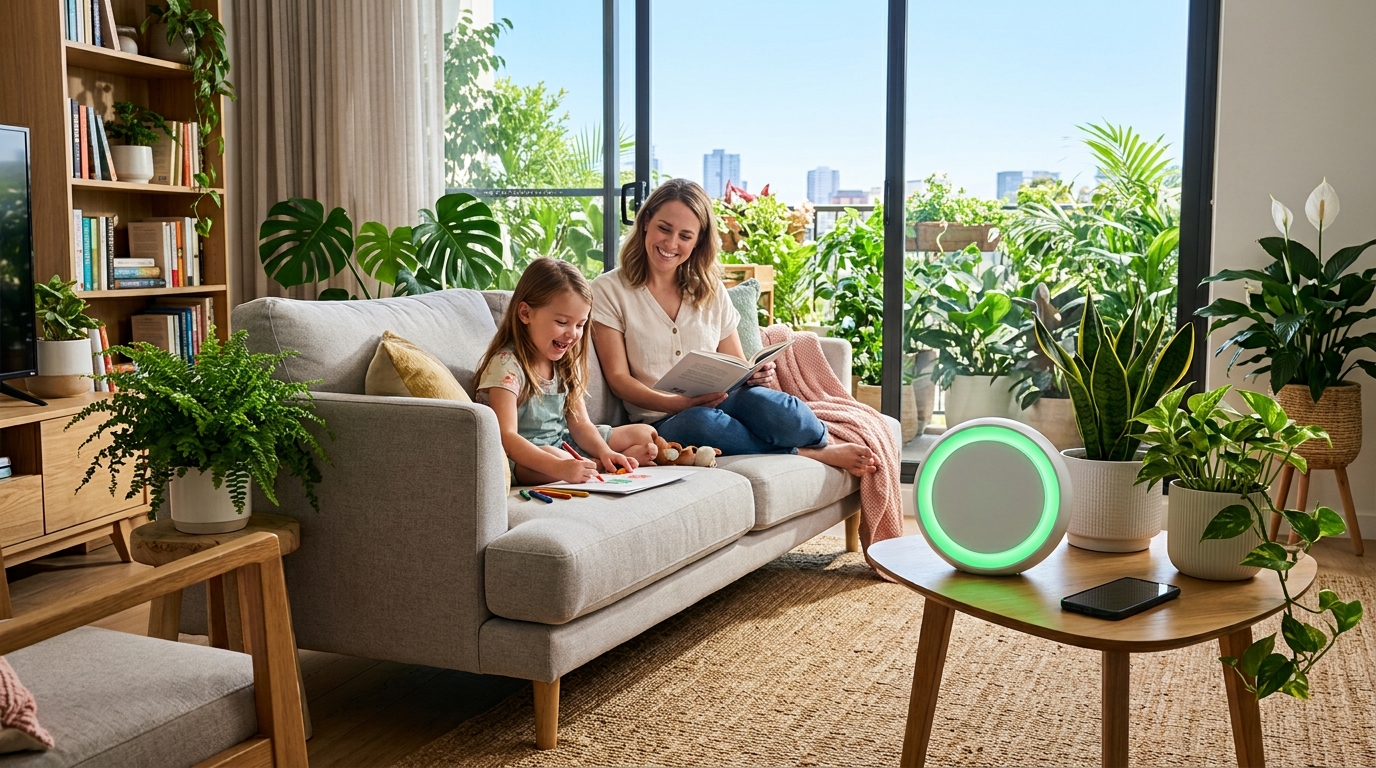
Take a deep breath. Do you ever stop to consider the quality of the air you’re breathing in your own home? The truth is, indoor air pollution is a silent threat that can have a significant impact on your health and overall well-being. From allergens to volatile organic compounds (VOCs) released by household products, the air inside our homes can be filled with unseen dangers. This is where the problem lies – how do we ensure that the air we breathe in our homes is clean and healthy?
Imagine this: you come home after a long day, looking forward to unwinding in the comfort of your living space. But instead of feeling refreshed, you find yourself struggling with allergies, headaches, or even respiratory issues. The consequences of neglecting indoor air quality can be dire, affecting not only your physical health but also your productivity and quality of life. The frustration of dealing with these preventable health issues can take a toll on your well-being, leaving you searching for a solution to this invisible yet pressing problem. And here’s where the game-changer comes in – air quality sensors. These innovative devices offer a proactive approach to monitoring and improving the air quality in your home, providing you with the peace of mind that you and your loved ones are breathing clean, fresh air. Ready to take control of your indoor air quality and transform your home into a haven of health and well-being? Let’s dive into the world of air quality sensors and discover why they are the new essential for a healthy home.
Benefits of Using Air Quality Sensors at Home
Air quality sensors provide numerous benefits for homeowners by offering real-time data on the air quality within their living spaces. These devices can detect various pollutants such as volatile organic compounds (VOCs), particulate matter, carbon monoxide, and more, helping individuals understand the quality of the air they breathe on a daily basis. By monitoring air quality, homeowners can take proactive steps to improve indoor air quality, leading to a healthier living environment for themselves and their families.
Types of Air Quality Sensors Available in the Market
When it comes to air quality sensors, there are several types available in the market to cater to different needs and preferences. Some common types include optical particle counters, electrochemical sensors, metal oxide semiconductor sensors, and infrared sensors. Each type of sensor has its unique strengths and capabilities, allowing homeowners to choose the one that best suits their requirements. Whether someone is looking for a portable sensor for on-the-go monitoring or a more comprehensive system for continuous indoor air quality assessment, there are options available to meet diverse needs.
Types of Air Quality Sensors Available in the Market
When it comes to air quality sensors, there are several types available in the market to cater to different needs and preferences. Some of the most common types include particulate matter sensors, volatile organic compound (VOC) sensors, carbon monoxide sensors, and radon detectors. Particulate matter sensors are designed to measure the concentration of particles in the air, while VOC sensors detect harmful gases emitted from household products. Carbon monoxide sensors are essential for detecting this colorless and odorless gas, which can be lethal in high concentrations. Radon detectors, on the other hand, are crucial for monitoring the presence of radon gas, a radioactive gas that can seep into homes through the ground.
How Air Quality Sensors Work
Air quality sensors operate by using various technologies to detect and measure different pollutants in the air. Particulate matter sensors typically use laser-based light scattering or optical techniques to count and measure particles in the air. VOC sensors utilize sensors that react to specific volatile compounds, triggering a signal when these compounds are present. Carbon monoxide sensors employ electrochemical cells to detect the gas, producing an electrical signal proportional to the concentration of carbon monoxide. Radon detectors work by monitoring alpha particles emitted as radon decays, providing an indication of radon levels in the surrounding air. These sensors play a crucial role in alerting homeowners to potential air quality issues and enabling them to take necessary actions to improve indoor air quality.

Types of Air Quality Sensors Available in the Market
When it comes to monitoring air quality, there are several types of sensors available in the market to choose from. Some common types include particulate matter sensors, gas sensors, carbon dioxide sensors, and volatile organic compound sensors. Particulate matter sensors measure the concentration of particles in the air, which can include dust, smoke, and other pollutants. Gas sensors, on the other hand, detect specific gases such as carbon monoxide, nitrogen dioxide, and ozone. Carbon dioxide sensors are crucial for monitoring indoor air quality, especially in enclosed spaces. Volatile organic compound sensors help identify harmful chemicals emitted from household products, building materials, and other sources.
How Air Quality Sensors Work
Air quality sensors work by detecting and measuring various pollutants and contaminants present in the air. They use different technologies such as optical sensors, electrochemical sensors, and metal oxide sensors to analyze the air composition. Optical sensors utilize light to detect particles in the air, while electrochemical sensors measure the concentration of gases through chemical reactions. Metal oxide sensors detect changes in electrical conductivity when exposed to certain gases. Once the sensors collect data on air quality, this information is typically displayed on a digital screen or transmitted to a connected device for real-time monitoring and analysis. Understanding how air quality sensors work is essential for effectively utilizing them to create a healthier indoor environment.
5. Importance of Monitoring Air Quality in Homes
Monitoring air quality in homes is crucial for ensuring a healthy and safe environment for you and your family. Poor air quality can lead to various health issues such as respiratory problems, allergies, and even more serious conditions like asthma. By having air quality sensors in your home, you can keep track of pollutants, particulate matter, and other harmful substances in the air.
Regular monitoring allows you to take necessary actions to improve indoor air quality, such as proper ventilation, using air purifiers, or adjusting daily habits to reduce pollutants. Being aware of the air quality in your home can help you create a more comfortable and healthier living space for everyone.
Comparison of Different Air Quality Sensor Brands
When it comes to choosing the right air quality sensor for your home, it’s essential to compare different brands to find the best fit for your needs. Each brand offers unique features, accuracy levels, and pricing options. Some popular brands in the market include Brand A, Brand B, and Brand C.
Brand A is known for its advanced technology and high accuracy in detecting various air pollutants. Brand B, on the other hand, focuses on affordability without compromising on quality. Brand C stands out for its user-friendly interface and real-time data monitoring capabilities. By comparing these brands based on factors like sensor range, data accuracy, connectivity options, and maintenance requirements, you can make an informed decision to ensure healthy indoor air quality for you and your family.
7. Tips for Choosing the Right Air Quality Sensor for Your Home
Consider the Type of Pollutants: Before purchasing an air quality sensor for your home, identify the specific pollutants you want to monitor. Different sensors are designed to detect various pollutants such as VOCs, particulate matter, carbon monoxide, and more. Choose a sensor that aligns with your concerns to ensure accurate monitoring.
Accuracy and Calibration: Look for sensors that provide accurate and reliable measurements. Check if the sensor has been calibrated properly and if it undergoes regular calibration checks. Opt for sensors with high precision to ensure the data collected is trustworthy and actionable for improving your indoor air quality.
Smart Features: Consider air quality sensors that offer smart features such as real-time alerts, mobile app integration, and historical data tracking. These features can enhance the user experience and help you stay informed about your indoor air quality levels effortlessly.