

Have you ever fumbled in the dark, arms outstretched, trying to find the light switch in a hallway? The struggle is real. It’s a common scenario we can all relate to – the inconvenience of poorly lit hallways. The problem isn’t just about finding the switch; it’s also about the wasted energy and missed opportunities for a more seamless home experience. But what if there was a way to effortlessly illuminate your path as you walk, without even lifting a finger? Enter the game-changer: motion sensors in home automation.
Picture this: you step into a dimly lit hallway, and instead of groping for the switch, the lights magically turn on as if they anticipated your every move. Now, imagine the frustration of stumbling in the dark, tripping over unseen obstacles, and feeling a sense of helplessness as you navigate poorly lit hallways. The lack of proper lighting not only affects your convenience but also poses safety risks and diminishes the overall ambiance of your home. It’s time to bid farewell to these struggles and embrace a more efficient and sophisticated solution – motion sensors for hallway lighting. With this innovative technology, you can enjoy hands-free illumination, energy efficiency, and enhanced safety in your home. Say goodbye to the days of searching for light switches and hello to a seamlessly lit pathway that adjusts to your every step. Join us on this illuminating journey as we explore the invisible power of motion sensors in transforming your home automation experience. Let’s brighten up your hallways and your life with a touch of modern magic.
2. The Importance of Motion Sensors in Home Automation
Motion sensors play a crucial role in modern home automation systems by providing convenience, security, and energy efficiency. These sensors detect movement within a specific range and trigger actions such as turning on lights, adjusting thermostats, or activating security cameras. By incorporating motion sensors into your home automation setup, you can create a more seamless and intuitive living environment.
3. Advantages of Using Motion Sensors in Hallway Lighting
Motion sensors in hallway lighting offer numerous benefits for homeowners. They enhance safety by automatically illuminating the path when someone enters the hallway, reducing the risk of trips or falls in the dark. Additionally, motion-sensing lights contribute to energy savings by only turning on when needed, minimizing electricity consumption. This not only lowers utility bills but also promotes environmental sustainability. Overall, the use of motion sensors in hallway lighting enhances convenience, security, and energy efficiency in your home.
Advantages of Using Motion Sensors in Hallway Lighting
Convenience and Efficiency: Motion sensors in hallway lighting offer unparalleled convenience and efficiency. Gone are the days of fumbling for a light switch in the dark. With motion sensors, the lights automatically turn on when you enter the hallway and turn off when you leave, reducing energy waste and providing hassle-free illumination.
Enhanced Safety: Motion sensors add an extra layer of safety to your home by ensuring that the hallway is well-lit whenever someone passes through. This can help prevent accidents and provide a sense of security, especially during nighttime. Additionally, motion sensor lights can deter potential intruders by giving the impression that someone is home.
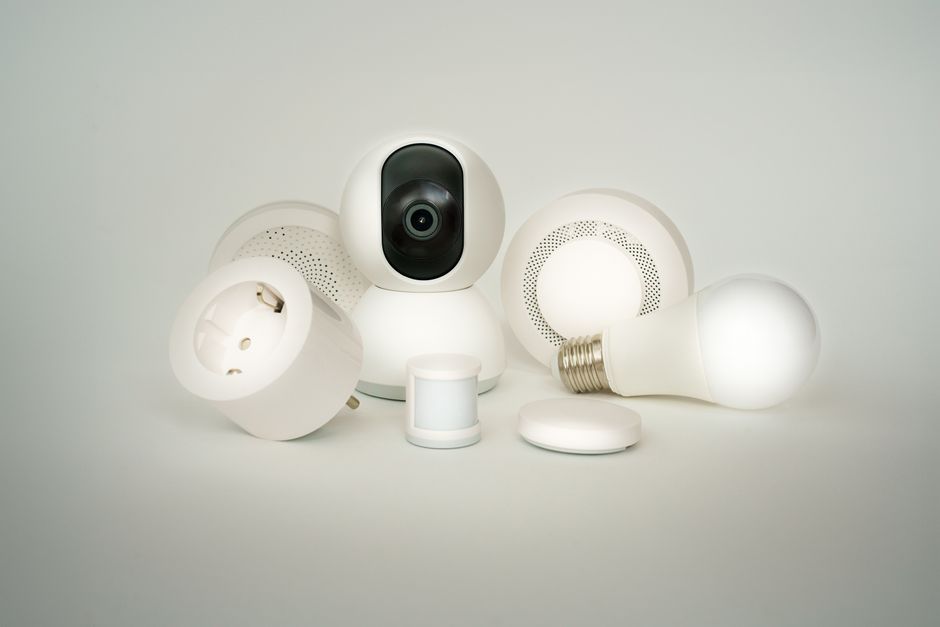
Types of Motion Sensors for Home Automation
Motion sensors play a pivotal role in enhancing the functionality and efficiency of home automation systems. There are several types of motion sensors available in the market, each with its unique features and benefits. Passive Infrared (PIR) sensors are one of the most common types, detecting heat signatures and movement within their range. Ultrasonic sensors use sound waves to detect motion, making them ideal for areas with obstacles or furniture. Microwave sensors emit microwave pulses and measure the reflections to detect motion accurately. Dual Technology sensors combine two different technologies for increased accuracy and reliability. Choosing the right type of motion sensor depends on factors such as the size of the area, desired range, and sensitivity level required for specific applications.
Installation and Setup Guide for Motion Sensors
Installing motion sensors for home automation can significantly improve convenience, security, and energy efficiency. Before installation, it’s essential to determine the ideal location for the sensor to ensure optimal coverage. Most motion sensors come with mounting hardware for easy installation on walls or ceilings. Wiring the sensor to the home automation system or smart hub is typically straightforward, following the manufacturer’s instructions. Once installed, configuring the sensor settings through the automation platform allows customization of sensitivity, detection range, and triggering actions. Regular testing after installation ensures proper functionality and adjustment of settings as needed for seamless integration into the home automation ecosystem.
Installation and Setup Guide for Motion Sensors
Installing motion sensors in your home automation system is a straightforward process that can enhance the security and convenience of your living space. Begin by selecting the appropriate location for your motion sensor, typically in areas where motion detection is necessary, such as entryways or hallways. Make sure to follow the manufacturer’s instructions carefully to ensure proper installation.
Once the sensor is installed, the setup process involves configuring the sensitivity and range settings to suit your specific needs. Some motion sensors may require calibration to accurately detect motion within the desired range. Additionally, ensure that the sensor is connected to your home automation hub or system for seamless integration and control. Regularly test the motion sensor to verify its functionality and make any necessary adjustments.
Troubleshooting Common Issues with Motion Sensors
Despite their benefits, motion sensors may encounter common issues that can affect their performance. If you notice that the sensor is not detecting motion accurately, check for any obstructions that may be blocking its view or interfering with its operation. Adjust the sensor’s position or sensitivity settings as needed to improve detection.
Inconsistent or frequent false alarms could indicate a malfunctioning sensor or interference from other devices. In such cases, troubleshoot by ensuring that the sensor is free from dust or debris that could impair its functionality. If problems persist, consult the manufacturer’s troubleshooting guide or seek professional assistance to diagnose and resolve the issue effectively.
6. Troubleshooting Common Issues with Motion Sensors
Intermittent Activation: If your motion sensor is activating sporadically, check for any obstructions in its detection range. Make sure there are no moving objects like curtains or plants that could trigger false alarms. Additionally, ensure that the sensor is securely mounted to prevent any vibrations that may cause unintended activation.
Inconsistent Sensitivity: To address sensitivity issues, adjust the settings on your motion sensor if possible. Sometimes, changing the angle or height of the sensor can improve its performance. It’s also important to keep the sensor clean from dust or debris that could interfere with its functionality.
Insufficient Range: If the motion sensor is not detecting motion within the expected range, consider relocating it to a more central position in the room. Avoid placing the sensor near heat sources or direct sunlight, as these factors can affect its ability to detect motion accurately.
Home automation with motion sensors is revolutionizing the way we interact with our living spaces. The convenience, energy efficiency, and security benefits offered by motion sensors make them an essential component of any smart home setup. By incorporating motion sensors into your home, you can enjoy a hands-free and seamless experience that enhances both comfort and safety. With advancements in technology, the future of home automation looks promising, with even more sophisticated and intuitive motion sensors on the horizon.