

Are you tired of failed fermentation attempts that result in bland sauerkraut, weak kombucha, or off-tasting kefir? The frustration of investing time and effort into home fermentation projects, only to be met with disappointing results, can be disheartening. Without the right tools and accessories, achieving the perfect fermentation environment can seem like an impossible task. The lack of proper equipment, such as jars and airlocks, often leads to inconsistent outcomes and a lackluster fermentation experience. Many home fermenters struggle to find the ideal balance of flavors and achieve the desired level of fermentation without the right accessories to support the process.
Imagine the joy of effortlessly creating delicious sauerkraut, flavorful kombucha, and creamy kefir right in your own kitchen. Picture the satisfaction of consistently achieving perfect fermentation results, with every batch turning out just the way you envisioned. The solution lies in investing in high-quality jars and airlocks specifically designed for home fermentation. These accessories provide the ideal environment for beneficial bacteria to thrive, ensuring a successful fermentation process every time. By using the right tools, you can take your home fermentation projects to the next level and unlock a world of flavors and health benefits. Say goodbye to failed fermentations and hello to a new era of successful home fermentation with the help of the perfect jars and airlocks. Get ready to elevate your fermenting game and embark on a journey of culinary creativity and gut-friendly delights!
Benefits of Fermenting Food at Home
Fermenting food at home offers a myriad of benefits that go beyond just adding flavor to your meals. One of the key advantages is the preservation of nutrients in the food. Fermentation helps break down complex compounds in food, making essential nutrients more bioavailable and easier for the body to absorb. This process also promotes the growth of beneficial bacteria, which can contribute to improved gut health and overall well-being.
Additionally, fermenting food at home allows you to have full control over the ingredients, ensuring that you are using high-quality, organic produce. This not only enhances the taste of the final product but also eliminates the need for artificial preservatives or additives. By fermenting food at home, you can create unique and personalized flavors that cater to your specific taste preferences, making each batch a truly special culinary experience.
Types of Fermentation: Sauerkraut, Kombucha, and Kefir
Fermentation is a fascinating process that transforms food through the action of microorganisms like bacteria and yeast. Three popular types of fermentation that you can easily do at home are Sauerkraut, Kombucha, and Kefir. Sauerkraut is a traditional fermented cabbage dish that is rich in probiotics, aiding in gut health. Kombucha is a fermented tea beverage known for its tangy flavor and potential health benefits due to its probiotic content. Kefir is a fermented milk drink that is also packed with probiotics, supporting digestive health and immunity.
Sauerkraut
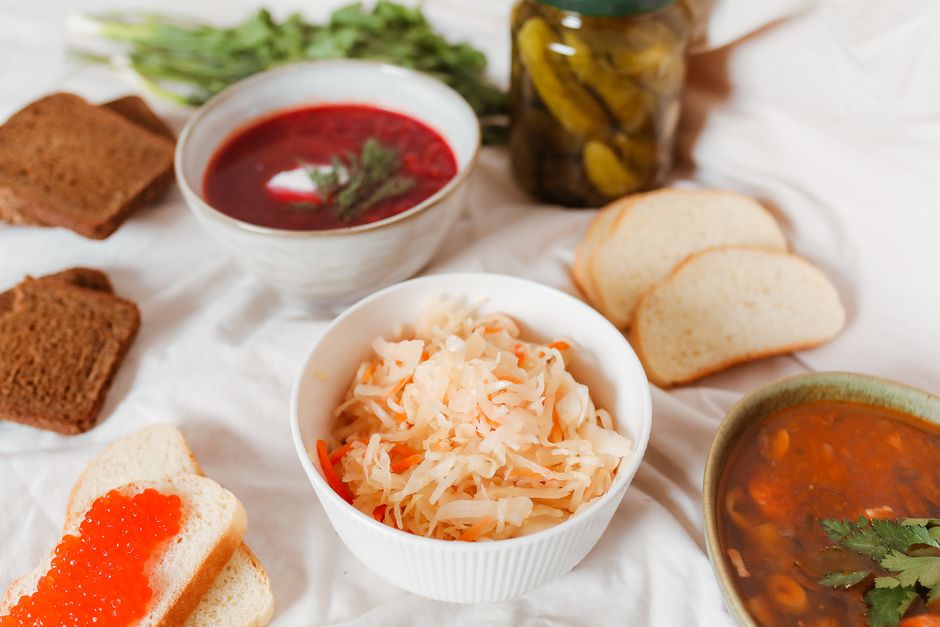
Sauerkraut is a simple and delicious form of fermentation that involves fermenting cabbage with salt. The natural process of fermentation creates a tangy, crunchy condiment that is not only tasty but also rich in beneficial bacteria. Making sauerkraut at home allows you to control the ingredients and fermentation process, ensuring a high-quality final product. Incorporating sauerkraut into your diet can introduce probiotics that promote a healthy gut flora, aiding digestion and overall well-being.
Kombucha
Kombucha is a fermented tea beverage that has gained popularity for its unique taste and potential health benefits. The fermentation process involves a symbiotic culture of bacteria and yeast (SCOBY) that transforms sweetened tea into a tangy, fizzy drink. Kombucha is known for its probiotic content, which can support gut health and boost immunity. Making kombucha at home allows you to experiment with flavors and control the fermentation time to achieve your desired taste and carbonation level.
Kefir
Kefir is a fermented milk drink that offers similar benefits to yogurt but with a thinner consistency and a tangier flavor. The fermentation process involves kefir grains, which are a combination of bacteria and yeast that ferment the milk, creating a tangy and slightly effervescent beverage. Kefir is rich in probiotics, making it a great addition to a healthy diet to support gut health and boost immunity. Making kefir at home allows you to customize the flavor, consistency, and fermentation time according to your preferences.
Choosing the Right Jars for Home Fermentation
When it comes to fermenting food at home, selecting the appropriate jars is crucial for a successful fermentation process. The ideal jars for home fermentation are those made of glass, as they do not react with the acidic nature of fermented foods. Mason jars are a popular choice among home fermenters due to their durability and airtight seal, which helps create the anaerobic environment necessary for fermentation.
It’s essential to choose jars that are the right size for the amount of food you plan to ferment. Make sure the jars have wide mouths for easy filling and cleaning. Additionally, opt for jars that are transparent so you can monitor the fermentation process without having to open them frequently, which could introduce contaminants.
Understanding the Role of Airlocks in Fermentation
Airlocks play a vital role in the fermentation process by allowing carbon dioxide, a byproduct of fermentation, to escape while preventing oxygen from entering the jar. This helps create the anaerobic conditions needed for beneficial bacteria to thrive and ferment the food properly. Airlocks come in various designs, such as water-sealed airlocks or one-way valve airlocks.
Using airlocks reduces the risk of mold growth and spoilage during fermentation by maintaining a consistent environment inside the jar. They also help control the pressure build-up that can occur during active fermentation, ensuring a safe and successful fermentation process. Incorporating airlocks into your home fermentation setup can improve the overall quality and flavor of your fermented foods.
Understanding the Role of Airlocks in Fermentation
Airlocks play a crucial role in the fermentation process by creating a barrier between the fermenting food and the outside environment. They allow carbon dioxide to escape while preventing oxygen and other contaminants from entering the fermentation vessel. This helps create an anaerobic environment that is optimal for the growth of beneficial bacteria and yeasts responsible for fermentation. Without proper airlocks, the risk of spoilage or contamination increases, leading to unsuccessful fermentation.
There are various types of airlocks available, such as water-sealed airlocks and three-piece airlocks, each with its advantages. Water-sealed airlocks are simple yet effective, while three-piece airlocks offer visibility of the fermentation process. Choosing the right airlock for your fermentation setup is essential to ensure successful fermentation and the production of flavorful and safe fermented foods.
Tips for Successful Fermentation
Tip 1: Maintain proper hygiene by sterilizing all equipment and using clean, filtered water to prevent contamination. This helps promote the growth of beneficial bacteria and yeast while inhibiting the growth of harmful pathogens.
Tip 2: Follow recipes and measurements accurately to ensure the correct balance of ingredients and fermentation time. Over-fermentation can result in a sour or unpleasant taste, while under-fermentation may lead to unsafe food.
Tip 3: Keep a consistent temperature throughout the fermentation process, ideally between 65-75°F (18-24°C), as temperature fluctuations can affect the growth of microorganisms and the overall quality of the ferment.
Tip 4: Monitor the fermentation progress regularly by tasting the food to gauge its flavor and texture. Adjust factors like salt content or fermentation time accordingly to achieve the desired results.
Additional Tips:
Tip 5: Allow for proper air circulation during fermentation by loosely covering jars with breathable cloths or using fermentation lids with airlocks. This prevents the build-up of gas while protecting the ferment from external contaminants.
Tip 6: Label and date your ferments for easy tracking and organization. This helps you keep track of fermentation times, ingredients used, and flavors achieved, allowing you to replicate successful batches in the future.
Frequently Asked Questions about Home Fermentation
Q: What are some common signs that fermentation is going well?
During fermentation, you may notice bubbles forming, a tangy aroma developing, or a change in color or texture of the food. These are all positive indicators that the fermentation process is progressing as it should.
Q: How long does fermentation typically take?
The duration of fermentation varies depending on the type of food and environmental factors. Generally, fermentation can take anywhere from a few days to several weeks. It’s essential to taste the food regularly to determine when it has reached the desired level of fermentation.
Q: Is it normal to see mold during fermentation?
Mold growth can occur during fermentation, especially if the food is exposed to air or if unsanitary conditions are present. While some types of mold are harmless and can be skimmed off the surface, it’s crucial to maintain cleanliness and proper fermentation conditions to prevent mold contamination.