
Tired of wondering which type of cutting board is truly the best for your kitchen? The eternal debate between end-grain wood and polyethylene cutting boards has left many home cooks scratching their heads, unsure of which option to choose. While both materials have their own set of benefits, the real dilemma lies in figuring out which one reigns supreme in terms of hygiene and durability. This decision is crucial, as your cutting board is the unsung hero of your kitchen, silently battling bacteria and wear and tear with every meal you prepare.
Imagine the horror of preparing a delicious meal for your loved ones, only to realize that your cutting board is harboring harmful bacteria that could potentially lead to foodborne illnesses. The stakes are high when it comes to food safety, and using the wrong cutting board can unknowingly put your family’s health at risk. Moreover, constantly having to replace worn-out cutting boards due to cracks, warping, or excessive knife marks can be a frustrating and costly ordeal. But fear not, as we are here to shed light on this age-old conundrum and provide you with a clear, informed choice for your kitchen arsenal.
So, which cutting board will emerge victorious in the battle of hygiene and durability? Join us as we delve deep into the world of end-grain wood and polyethylene cutting boards, uncovering their strengths and weaknesses to help you make an educated decision that will elevate your cooking experience to new heights. Get ready to bid farewell to uncertainty and embrace the cutting board that will revolutionize your kitchen game!
What are Cutting Boards?
Cutting boards are essential tools in any kitchen, used for preparing and cutting food items safely. They come in various materials, including wood, plastic, bamboo, and composite materials. Among these, wood and plastic cutting boards are the most common choices for home kitchens and professional chefs.
Wood cutting boards are popular for their natural beauty and durability. They are gentle on knives, making them a preferred choice for cutting delicate ingredients. On the other hand, plastic cutting boards are lightweight, easy to clean, and less prone to bacterial growth, making them a hygienic option for food preparation.
Hygiene Considerations
Hygiene considerations are paramount when choosing a cutting board for your kitchen. Wood cutting boards have natural antimicrobial properties that can help inhibit the growth of bacteria. However, it is essential to properly clean and maintain wood cutting boards to prevent contamination.
Plastic cutting boards are dishwasher safe and can withstand high heat, making them easier to sanitize. It is crucial to replace plastic cutting boards when they become heavily scratched, as bacteria can thrive in these grooves. Regular cleaning and sanitization are key to preventing cross-contamination in the kitchen.
Hygiene Considerations
Cutting boards play a crucial role in food preparation, but their hygiene is often overlooked. Wood cutting boards, especially those made from end-grain wood, have natural antimicrobial properties that help inhibit bacterial growth. However, it is essential to note that wood boards require proper maintenance to prevent the accumulation of bacteria in the grooves created by knife cuts. Regular cleaning with hot, soapy water and periodic oiling can help maintain the hygiene of wood cutting boards.
On the other hand, polyethylene cutting boards are non-porous and dishwasher safe, making them easier to clean and sanitize. They can withstand high temperatures, making them ideal for cutting raw meat and poultry. However, plastic boards can develop deep knife marks over time, which can harbor bacteria if not cleaned thoroughly. It is crucial to replace polyethylene cutting boards when they become too worn or develop deep grooves to ensure food safety.
Durability Comparison
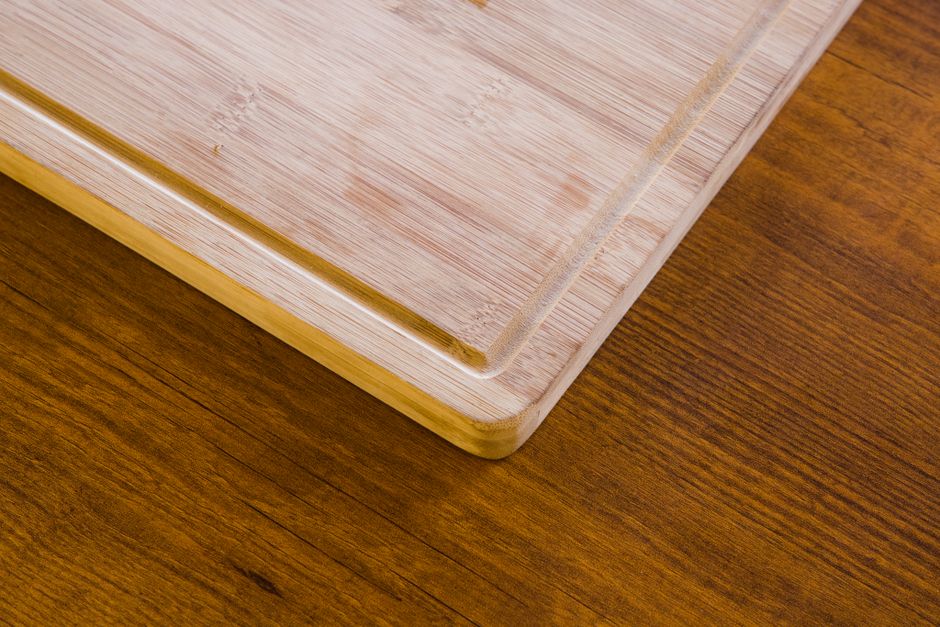
Durability is a key factor to consider when choosing a cutting board. End-grain wood cutting boards are known for their exceptional durability. The construction of end-grain boards involves arranging the wood fibers vertically, which makes them more resistant to knife marks and scratches. This design also helps to prolong the life of the cutting board, making it a long-term investment for your kitchen.
On the other hand, polyethylene cutting boards are also highly durable. They are resistant to moisture, heat, and stains, making them ideal for heavy daily use in a busy kitchen environment. Polyethylene boards are known for their tough and resilient nature, able to withstand frequent cutting and chopping without showing signs of wear and tear. Overall, both end-grain wood and polyethylene cutting boards offer excellent durability, catering to different preferences and needs.
Pros and Cons of End-Grain Wood
End-grain wood cutting boards are renowned for their durability and knife-friendly surface. The unique construction of end-grain boards involves the wood fibers being arranged vertically, allowing the knife blade to slide between the fibers rather than cutting through them. This results in less wear and tear on the knife edge, making end-grain boards a popular choice among professional chefs and cooking enthusiasts. Additionally, the self-healing nature of end-grain wood helps to hide knife marks and maintain the board’s appearance over time.
However, end-grain wood cutting boards require more maintenance compared to other materials. They are prone to absorbing moisture, which can lead to warping or cracking if not properly cared for. Regular oiling and seasoning are essential to keep the board in top condition and prevent it from drying out. Despite these maintenance requirements, the beauty and functionality of end-grain wood cutting boards make them a desirable option for those who value quality and craftsmanship in their kitchen tools.
Pros and Cons of Polyethylene
Polyethylene cutting boards are favored for their ease of maintenance and sanitary properties. These boards are non-porous, making them resistant to bacteria growth and easy to clean. Unlike wood cutting boards, polyethylene boards can be washed in the dishwasher for thorough sanitation, making them a convenient choice for busy kitchens. The durable and lightweight nature of polyethylene boards also makes them ideal for commercial use, where frequent cleaning and heavy-duty cutting tasks are common.
On the downside, polyethylene cutting boards are more prone to knife marks and scratches compared to end-grain wood boards. While these surface imperfections do not impact the board’s functionality, they can affect its appearance over time. Additionally, polyethylene boards are less aesthetically pleasing than their wooden counterparts, which may be a consideration for those looking to enhance the visual appeal of their kitchen. Despite these drawbacks, polyethylene cutting boards remain a practical and hygienic choice for many home cooks and professional chefs.
Pros and Cons of Polyethylene
Polyethylene cutting boards are popular for their durability and low maintenance. They are resistant to moisture, bacteria, and odors, making them ideal for use in busy kitchens. Polyethylene boards are also dishwasher safe, which simplifies the cleaning process. However, one drawback of polyethylene cutting boards is that they can be harder on knives compared to softer materials like wood. Additionally, they are more prone to developing cut marks and scratches over time, which can harbor bacteria if not properly cleaned.
Cutting boards are an essential tool in any kitchen, providing a safe and reliable surface for food preparation. Whether you choose end-grain wood or polyethylene, it’s crucial to consider factors like durability, hygiene, and maintenance.
Ultimately, the best cutting board for you will depend on your specific needs and preferences. Both end-grain wood and polyethylene have their own set of pros and cons, so it’s important to weigh these factors carefully before making a decision. Whichever type you choose, proper care and maintenance will ensure that your cutting board remains a valuable kitchen companion for years to come.