
Are you tired of slipping and sliding during your yoga practice, constantly readjusting your position to maintain balance? The struggle to find the perfect yoga mat that offers both maximum grip and cushioning is a common dilemma many yogis face. The core problem lies in choosing between natural rubber and polyurethane mats, each boasting unique benefits that can make or break your yoga experience. Can you imagine the frustration of investing in a premium yoga mat, only to find out it doesn’t provide the support and stability you need to fully immerse yourself in your practice?
Picture this: you’re in the middle of a challenging yoga sequence, trying to hold a difficult pose, but your mat fails you, leading to slips and discomfort that disrupt your flow. The consequences of not selecting the right yoga mat can not only hinder your performance but also impact your overall well-being and progress in your practice. But fear not, for in this blog post, we delve deep into the world of premium yoga mats, comparing natural rubber and polyurethane options to help you make an informed decision that will elevate your practice to new heights. Discover the key differences between these materials, understand their grip and cushioning capabilities, and unlock the secret to finding the perfect yoga mat that suits your needs like a glove. Get ready to transform your practice with the ultimate grip and support – your yoga journey awaits!
Benefits of Polyurethane Yoga Mats
Polyurethane yoga mats offer a unique set of benefits that make them a popular choice among yogis. One of the key advantages of polyurethane mats is their excellent durability and longevity. These mats are designed to withstand heavy use and maintain their shape and performance over time, making them a cost-effective investment for regular practitioners.
In addition to their durability, polyurethane mats also provide superior grip and traction, helping yogis maintain stability and prevent slipping during their practice. The non-toxic and eco-friendly nature of polyurethane materials also appeals to those looking for a more sustainable option. Overall, polyurethane yoga mats offer a combination of durability, grip, and sustainability that make them a top choice for many yoga enthusiasts.
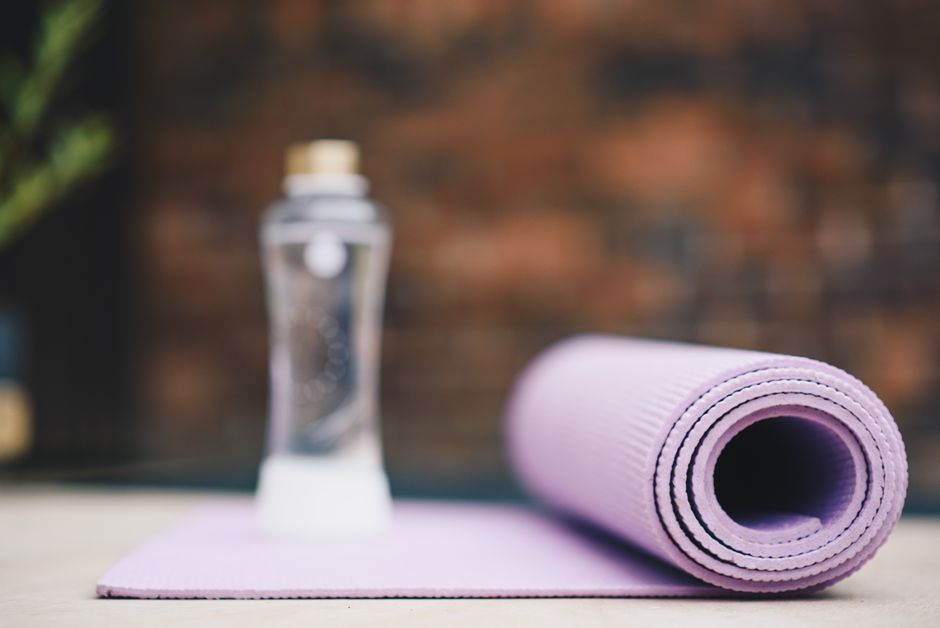
Benefits of Natural Rubber Yoga Mats
When it comes to yoga mats, natural rubber stands out as a popular choice due to its eco-friendly properties. Natural rubber yoga mats are biodegradable, making them an environmentally conscious option for yogis looking to reduce their carbon footprint. Additionally, natural rubber mats provide excellent grip and traction, ensuring stability during various yoga poses. The material is also known for its durability, offering long-lasting performance even with regular use. For those with sensitivities, natural rubber is hypoallergenic and free from harmful chemicals, making it a safe and healthy choice for yoga practice.
Benefits of Polyurethane Yoga Mats
Polyurethane yoga mats are gaining popularity for their unique blend of features that cater to different yoga styles and preferences. These mats offer exceptional cushioning, providing support and comfort during intense yoga sessions or long periods of practice. Polyurethane is a non-toxic material that is easy to clean and maintain, making it a convenient option for yogis on the go. In addition, polyurethane mats are known for their resistance to wear and tear, ensuring longevity and value for money. The material’s smooth surface also allows for smooth transitions between poses, enhancing the overall yoga experience.
Comparison of Grip Performance
When comparing grip performance between natural rubber and polyurethane yoga mats, natural rubber typically offers superior traction and grip. The texture of natural rubber mats helps prevent slipping, especially during sweaty or intense yoga sessions. On the other hand, polyurethane mats provide a more smooth surface that some yogis may find less grippy compared to natural rubber. However, polyurethane mats are still designed to offer adequate grip for most yoga practices, making them suitable for practitioners looking for a balance between grip and comfort.
Comparison of Cushioning
When it comes to cushioning, polyurethane yoga mats excel in providing ample support and comfort for joints and pressure points. The material’s soft yet resilient nature cushions the body effectively, making it ideal for individuals with joint pain or those looking for extra padding during their practice. Natural rubber mats, while offering decent cushioning, may not be as plush as polyurethane mats, making them better suited for yogis who prefer a firmer surface for stability and balance in their poses. Ultimately, the choice between natural rubber and poly
Comparison of Cushioning
Yoga mat cushioning is a crucial factor to consider for practitioners seeking comfort and support during their practice. Natural rubber yoga mats are known for their excellent cushioning properties, providing a soft yet stable surface for various yoga poses. The inherent elasticity of natural rubber allows for adequate padding without compromising stability, making it ideal for individuals with joint sensitivity or those who prefer a softer surface.
On the other hand, polyurethane yoga mats offer a different cushioning experience. With a firmer and denser composition, polyurethane mats provide exceptional support for balancing poses and dynamic movements. The firmness of polyurethane mats can help practitioners feel grounded and stable during their practice, especially for sequences that require a strong foundation. Ultimately, the choice between natural rubber and polyurethane mats in terms of cushioning comes down to personal preference and the type of support each individual requires for their yoga practice.
Factors to Consider When Choosing a Yoga Mat
When selecting a yoga mat, various factors should be taken into account to ensure it meets your specific needs and preferences. Material is a critical consideration, as it determines the mat’s texture, durability, and eco-friendliness. Natural rubber mats are ideal for those seeking a sustainable option with excellent grip, while polyurethane mats offer durability and easy maintenance.
Thickness and cushioning are also essential factors to consider. Thicker mats provide more support and cushioning for sensitive joints, making them suitable for restorative or gentle yoga practices. Grip performance is another key aspect to evaluate, especially if you prefer hot yoga or practices that involve a lot of movement. Lastly, considering your budget, preferred size, and design preferences will help you find a yoga mat that enhances your practice and overall experience.
Factors to Consider When Choosing a Yoga Mat
When selecting a yoga mat, there are several key factors to consider to ensure it meets your specific needs and preferences. The first consideration is the material of the mat, which can impact its grip, cushioning, durability, and eco-friendliness. Natural rubber mats are known for their excellent grip and sustainability, while polyurethane mats offer great cushioning and durability.
Another important factor is the thickness of the mat, with thicker mats providing more cushioning and support for sensitive joints, but potentially sacrificing stability in balancing poses. Additionally, consider the texture of the mat’s surface, as a smooth surface may offer more grip for sweaty hands, while a textured surface can provide better traction for various yoga poses. Lastly, don’t forget to factor in your budget, as high-quality mats can range in price depending on the materials and brand.
In conclusion, choosing the right yoga mat is essential for a comfortable and effective yoga practice. Whether you opt for a natural rubber mat for superior grip or a polyurethane mat for enhanced cushioning, understanding the key factors such as material, thickness, texture, and budget can help you make an informed decision. Remember that the best yoga mat is one that suits your individual needs and preferences, so take the time to evaluate these factors before making your purchase. Investing in a high-quality yoga mat that aligns with your practice can improve your overall experience and help you achieve your fitness and mindfulness goals.