

Do you ever find yourself tossing out overripe fruits or struggling to keep up with the abundance of seasonal produce? It’s a common dilemma many of us face – the desire to eat healthier, fresher snacks while also minimizing food waste. The frustration of watching perfectly good fruits go bad before we can finish them can be disheartening. Not to mention, the guilt that comes with knowing we’re missing out on essential nutrients by not consuming these fruits at their peak freshness.
Picture this: colorful slices of mango, apple, or banana transformed into crispy, flavorful snacks that not only taste delicious but also retain all their vital nutrients. Imagine being able to enjoy your favorite fruits year-round, regardless of the season. The solution lies in food dehydrators – a versatile kitchen appliance that can help you make the most of seasonal fruits by dehydrating them into healthy, preservative-free snacks. By dehydrating fruits, you can extend their shelf life, reduce food waste, and create a convenient, on-the-go snack option that is both nutritious and satisfying. Embrace the world of food dehydration and say goodbye to wasted fruits and hello to a healthier snacking alternative!
Benefits of Using a Food Dehydrator
Extend Food Shelf Life: Using a food dehydrator allows you to preserve fruits, vegetables, meats, and herbs by removing moisture, which inhibits the growth of bacteria and mold. This extends the shelf life of your food significantly, reducing waste and saving you money in the long run.
Nutrient Retention: Dehydrating food at low temperatures helps retain most of the nutrients, unlike traditional high-heat cooking methods that can destroy essential vitamins and minerals. By dehydrating your own foods, you can ensure that you are consuming nutrient-rich snacks and ingredients in your meals.
Tips for Choosing the Right Food Dehydrator
Consider Size and Capacity: Determine the amount of food you plan to dehydrate regularly to choose a dehydrator with the appropriate capacity. If you have a smaller kitchen or limited storage space, opt for a compact dehydrator that suits your needs without taking up too much room.
Temperature and Airflow Control: Look for a dehydrator with adjustable temperature settings and proper airflow mechanisms to ensure even drying of different types of foods. This feature is crucial for achieving optimal results and preventing over-drying or under-drying of your food items.
Benefits of Using a Food Dehydrator
Food dehydrators offer a range of benefits that make them a valuable addition to any kitchen. One of the main advantages is the preservation of nutrients in fruits, vegetables, and meats. By removing moisture from foods, dehydrators help retain essential vitamins and minerals, making dried snacks a healthier alternative to store-bought options. Additionally, dehydrating food at home allows for customization of flavors and ingredients, giving you full control over what you consume. Another benefit is the reduction of food waste, as dehydrating allows for the preservation of seasonal produce that may otherwise spoil.
Dehydrating Seasonal Fruits
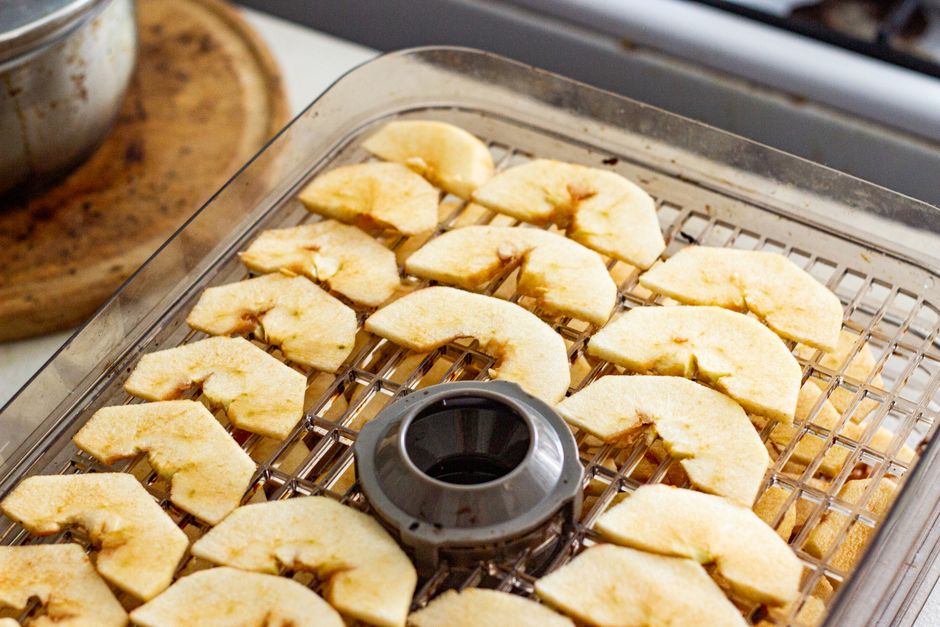
Dehydrating seasonal fruits is a fantastic way to enjoy your favorite produce year-round. Whether it’s summer berries or fall apples, dehydrating fruits preserves their flavors and nutrients for later consumption. To dehydrate seasonal fruits, start by washing and slicing them evenly. Arrange the slices on the dehydrator trays and set the temperature according to the fruit type. Dehydrating times may vary depending on the fruit’s water content and thickness of the slices. Once dried, store the fruits in airtight containers to maintain freshness. Enjoy your dehydrated seasonal fruits as standalone snacks or add them to granola, trail mix, or baked goods for an extra burst of flavor.
Recipes for Healthy Snacks
Looking for delicious and nutritious snack ideas made with dehydrated foods? Here are a few fantastic recipes to inspire your culinary creations. For a sweet treat, try making apple cinnamon chips by slicing apples thinly and sprinkling them with cinnamon before dehydrating. For a savory option, consider making kale chips seasoned with sea salt and nutritional yeast. These crispy snacks are not only satisfying but also packed with vitamins and minerals. If you’re craving something more substantial, experiment with creating your own trail mix using dehydrated fruits, nuts, and seeds. The possibilities are endless when it comes to making healthy and tasty snacks with a food dehydrator!
Storing and Preserving Dehydrated Foods
Properly storing and preserving dehydrated foods is essential to maintain their flavor and quality over time. After dehydrating fruits, vegetables, or meats, it’s crucial to store them in airtight containers or vacuum-sealed bags to prevent moisture from re-entering and causing spoilage. Labeling your containers with the date of dehydration can help you keep track of freshness. For longer-term storage, consider storing dehydrated foods in a cool, dark place such as a pantry or cupboard. Some dehydrated foods, like herbs or spices, can also benefit from being stored in airtight jars away from heat and light. By following proper storage techniques, you can enjoy the benefits of your dehydrated foods for months to come.
Storing and Preserving Dehydrated Foods
Storing and preserving dehydrated foods properly is crucial to maintain their quality and extend their shelf life. After dehydrating fruits, vegetables, or meats, it’s essential to store them in airtight containers to prevent moisture from re-entering and causing spoilage. Mason jars, vacuum-sealed bags, or airtight containers are excellent choices for storage. Labeling the containers with the date of dehydration can help you keep track of freshness.
When storing dehydrated foods, it’s important to keep them in a cool, dry, and dark place to maintain their flavor and nutritional value. Avoid exposing dehydrated foods to direct sunlight or high temperatures, as this can lead to degradation of nutrients and flavor. Properly stored dehydrated foods can last for several months to a year, providing you with a convenient and healthy food supply for snacking, cooking, or emergencies.
In conclusion, incorporating a food dehydrator into your kitchen arsenal can revolutionize the way you prepare, store, and enjoy food. By dehydrating seasonal fruits and other ingredients, you can preserve their nutrients and flavors, creating delicious and healthy snacks for you and your family. Remember to choose the right food dehydrator based on your needs and preferences, and follow proper storage and preservation techniques to extend the shelf life of your dehydrated foods. With a bit of creativity and experimentation, you can discover a world of culinary possibilities with your food dehydrator. Embrace this sustainable and practical approach to food preparation and elevate your cooking experience to a whole new level.