
Are you a tea lover who is on a quest for the perfect brewing experience? Have you ever found yourself yearning for that elusive balance of tradition, functionality, and aesthetic appeal in your tea accessories? If so, you’re not alone. Many tea enthusiasts face the challenge of enhancing their tea rituals with the right tools, especially when it comes to finding the ideal teapot that embodies both style and substance. This quest for the ultimate tea experience often leads to a dilemma: how to choose a teapot that not only brews tea to perfection but also adds a touch of elegance to your tea ceremonies.
Picture this: you’re sipping a steaming cup of your favorite tea blend, but something feels amiss. The flavor lacks depth, the aroma seems muted, and your tea experience falls short of the sublime indulgence you crave. The culprit? Perhaps it’s your choice of teapot. Fear not, for there is a solution that combines beauty, functionality, and cultural richness in one exquisite package: the cast iron teapot, also known as Tetsubin. Discover the fascinating history, the art of using, and the essential maintenance tips for these iconic teapots that will elevate your tea rituals to new heights. Join us on a journey to unlock the secrets of Tetsubin teapots and transform your tea brewing experience into a work of art.
History of Cast Iron Teapots (Tetsubin)
The history of cast iron teapots, known as Tetsubin in Japan, dates back to the 17th century. Originally used for boiling water and brewing tea, these teapots were a symbol of status and wealth among the Japanese aristocracy. Crafted with intricate designs and often adorned with elaborate handles and spouts, Tetsubin teapots were not only functional but also pieces of art in themselves.
Over time, the popularity of cast iron teapots spread beyond Japan to other parts of the world, gaining recognition for their durability and heat retention properties. Today, cast iron teapots continue to be cherished for their historical significance and traditional craftsmanship, making them a unique and timeless addition to any tea lover’s collection.
Traditional Uses of Cast Iron Teapots (Tetsubin)
Traditionally, cast iron teapots were primarily used for brewing and serving tea in Japanese tea ceremonies. The heat-retaining properties of cast iron made them ideal for keeping tea warm for extended periods, allowing tea enthusiasts to enjoy multiple servings without compromising on flavor.
Besides their functional use, cast iron teapots were also believed to enhance the taste of tea by enriching its flavor profile. The gradual release of iron ions from the teapot into the tea is said to mellow the brew, resulting in a smoother and more balanced taste. Today, while modern teapots may have taken over daily use, cast iron teapots are still valued for their cultural significance and the unique experience they offer in brewing and enjoying tea.
Traditional Uses of Cast Iron Teapots (Tetsubin)
Cast iron teapots, also known as Tetsubin in Japan, have been traditionally used for brewing and serving tea. These teapots are prized for their ability to retain heat effectively, ensuring that the tea stays warm for a longer period. The cast iron material also helps to enhance the flavor of the tea by retaining and distributing heat evenly during the brewing process.
Furthermore, Tetsubin teapots are often used in traditional Japanese tea ceremonies, where the brewing and serving of tea are considered an art form. The aesthetic appeal of cast iron teapots, with their intricate designs and craftsmanship, adds to the overall experience of enjoying tea in a cultural and ceremonial setting.
Benefits of Using Cast Iron Teapots (Tetsubin)
Cast iron teapots offer a range of benefits that make them a popular choice among tea enthusiasts. One of the key advantages of using a Tetsubin is its durability and long lifespan. When properly cared for, a cast iron teapot can last for generations, making it a sustainable and eco-friendly choice.
In addition, the heat retention properties of cast iron teapots ensure that the tea stays hot for an extended period, allowing tea drinkers to savor each cup at their leisure. The natural iron infusion that occurs during brewing is believed to add trace amounts of iron to the tea, offering potential health benefits to regular tea drinkers.
Benefits of Using Cast Iron Teapots (Tetsubin)
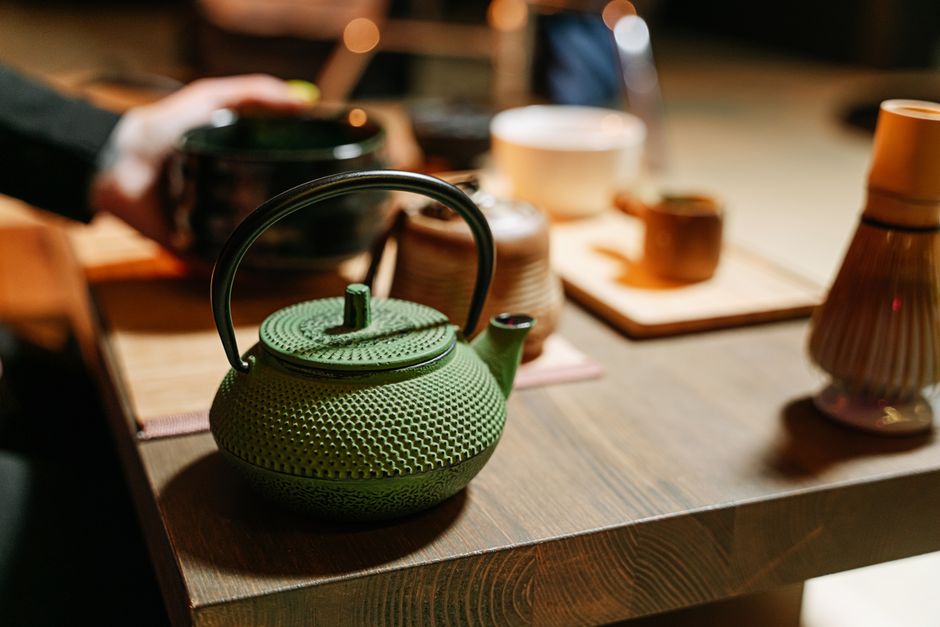
Cast iron teapots, also known as Tetsubin in Japan, offer a myriad of benefits that make them a popular choice among tea enthusiasts. One of the primary advantages is their exceptional heat retention properties, which ensure that your tea stays hot for longer periods compared to other materials. This feature not only allows for a more enjoyable tea-drinking experience but also enhances the flavor and aroma of the tea.
Additionally, cast iron teapots are highly durable and long-lasting, making them a worthwhile investment for tea lovers. Their sturdy construction ensures that they can withstand daily use without easily succumbing to wear and tear. Furthermore, these teapots are versatile and can be used on various stovetops, making them ideal for brewing a wide range of teas. With proper care and maintenance, a cast iron teapot can become a cherished item that lasts for generations.
How to Choose the Right Cast Iron Teapot (Tetsubin)
When selecting a cast iron teapot, there are several factors to consider to ensure you find the perfect one to suit your needs and preferences. Firstly, pay attention to the capacity of the teapot, as this will determine how many cups of tea you can brew at once. Consider whether you typically enjoy tea alone or with guests to determine the ideal size for your teapot.
Additionally, examine the design and aesthetics of the teapot to find one that resonates with your personal style. Cast iron teapots come in a variety of colors and patterns, so choose one that not only complements your kitchen decor but also brings you joy when using it. Lastly, look for teapots with enamel coating on the interior to prevent rusting and make cleaning easier. By considering these aspects, you can select a cast iron teapot that enhances your tea rituals and adds beauty to your home.
How to Choose the Right Cast Iron Teapot (Tetsubin)
Choosing the perfect cast iron teapot (Tetsubin) involves considering several key factors to ensure you find one that suits your needs and preferences. Firstly, think about the capacity you require based on how many cups of tea you typically brew. Cast iron teapots come in various sizes, so selecting one that fits your usual serving size is essential. Additionally, pay attention to the design and style of the teapot. Whether you prefer a traditional Japanese aesthetic or a more modern look, there are numerous options available.
Another crucial aspect to consider is the interior coating of the teapot. Some prefer enamel-coated interiors for easy cleaning and maintenance, while others opt for uncoated cast iron for a more authentic brewing experience. Lastly, assess the quality of the craftsmanship and materials used. A well-made cast iron teapot can last a lifetime with proper care, making it a worthwhile investment for any tea enthusiast.
Seasoning and Maintaining Your Cast Iron Teapot (Tetsubin)
Seasoning and maintaining your cast iron teapot is crucial to ensure its longevity and optimal performance. To season a new teapot, start by rinsing it with warm water and drying it thoroughly. Then, heat the teapot on the stove with a small amount of oil inside. This process helps create a protective layer on the interior of the teapot, preventing rust and enhancing the flavor of your tea.
Regular maintenance involves rinsing the teapot with plain water after each use and drying it completely to prevent rust. Avoid using soap or abrasive cleaners, as they can damage the seasoning. Instead, use a soft cloth to gently clean the teapot. Additionally, storing the teapot in a dry place and not leaving water sitting in it for extended periods will help maintain its quality over time.
Cleaning and Storing Cast Iron Teapots (Tetsubin)
Proper cleaning and storage practices are essential for preserving the beauty and functionality of your cast iron teapot. To clean your teapot, avoid using soap or harsh chemicals as they can strip away the seasoning. Instead, rinse the teapot with warm water and use a soft brush to gently remove any residue. Make sure to dry the teapot completely after cleaning to prevent rust.
When storing your cast iron teapot, ensure it is completely dry to prevent mold or mildew growth. Store the teapot in a well-ventilated area away from direct sunlight or heat sources. It’s also a good idea to store the teapot with the lid off to allow air circulation. By following these cleaning and storing practices, you can enjoy your cast iron teapot for years to come.
Cleaning and Storing Cast Iron Teapots (Tetsubin)
Proper cleaning and storing of your cast iron teapot are essential to ensure its longevity and maintain its quality. After each use, it is crucial to clean the teapot thoroughly to prevent any residual tea from affecting the flavor of future brews. To clean, rinse the teapot with warm water and use a soft sponge or cloth to gently remove any tea residue. Avoid using soap or abrasive materials as they can damage the teapot’s seasoning.
Once the teapot is cleaned, make sure to dry it completely to prevent rusting. Towel-dry the teapot inside and out, then place it on a drying rack to air dry completely. To store your cast iron teapot, ensure it is completely dry before storing it in a cool, dry place. Avoid storing the teapot in a damp or humid environment as it can lead to rusting. Proper cleaning and storage practices will help your cast iron teapot last for years to come.