
Tired of overcooked, dry meat? Frustrated with the inconsistency of your stovetop or oven cooking methods? If you’re seeking a culinary breakthrough that guarantees perfectly cooked meals every time, then you’re not alone. The struggle to achieve that elusive balance of tenderness, juiciness, and flavor in your dishes can be a constant source of culinary discontent. But fear not, there is a game-changing solution that promises to revolutionize your home cooking experience: sous vide.
Picture this: You excitedly prepare a meal, only to be met with disappointment as you slice into an overdone steak or dry chicken breast. The traditional cooking methods just don’t seem to cut it when it comes to achieving that restaurant-quality perfection. Enter sous vide, the culinary technique that is taking the cooking world by storm. By immersing your ingredients in a precisely controlled water bath at low temperatures for an extended period, sous vide ensures that your food is cooked evenly from edge to edge, resulting in unmatched texture and flavor. Say goodbye to overcooked proteins and underwhelming meals – sous vide is here to elevate your cooking game to new heights. Get ready to unlock the secrets of low-temperature cooking and embark on a delicious journey that will leave your taste buds tingling for more.
Benefits of Cooking with a Sous Vide
Enhanced Flavors: Sous vide cooking allows flavors to be locked in, resulting in tender, juicy, and flavorful dishes. By vacuum-sealing ingredients and cooking them at precise temperatures for extended periods, the natural flavors are intensified, creating a truly delicious dining experience.
Precision Cooking: One of the key benefits of sous vide is the precise temperature control it offers. This method ensures that food is cooked evenly from edge to edge, eliminating the risk of overcooking. With sous vide, you can achieve perfect results every time, whether it’s a tender steak, moist chicken breast, or delicate fish fillet.
Essential Equipment for Sous Vide Cooking
Sous Vide Precision Cooker: The heart of sous vide cooking, a precision cooker regulates the water temperature to within a fraction of a degree, ensuring precise and consistent results. Choose a reliable model with user-friendly controls and adequate power for your cooking needs.
Vacuum Sealer: To properly seal ingredients in airtight bags before cooking, a vacuum sealer is essential. This device removes air from the bag, allowing for efficient heat transfer and preventing flavors from escaping. Invest in a quality vacuum sealer to enhance the sous vide cooking experience.
Benefits of Cooking with a Sous Vide
Sous vide cooking offers a range of benefits that make it a popular choice among home cooks and professional chefs alike. One key advantage is the precise temperature control it provides, ensuring that food is cooked evenly from edge to edge. This consistency results in perfectly cooked meats, vegetables, and even desserts every time. Additionally, the method retains the natural juices and flavors of the ingredients, leading to incredibly tender and flavorful dishes. Another benefit is the convenience and flexibility sous vide cooking offers. You can prep your meals in advance, seal them in a vacuum-sealed bag, and cook them whenever you’re ready, making meal planning a breeze. Finally, sous vide cooking is a healthier option as it requires little to no added fats or oils, resulting in nutritious and delicious meals.
Essential Equipment for Sous Vide Cooking
Sous Vide Machine:
At the heart of sous vide cooking is a sous vide machine, also known as an immersion circulator, which maintains a precise water temperature for cooking. These devices are essential for achieving the perfect results that sous vide cooking is known for.
Vacuum Sealer:
To cook sous vide, ingredients are typically sealed in a vacuum-sealed bag to ensure even cooking and flavor retention. A vacuum sealer is a crucial piece of equipment for this cooking method.
Sous Vide Container:
A container large enough to hold the water for cooking is needed for sous vide cooking. This container should be heat-resistant and able to maintain a consistent temperature throughout the cooking process.
Sealing Bags:
Specialized sous vide bags are designed to withstand the cooking temperatures and ensure a tight seal to prevent water from entering the bag. Using proper sealing bags is essential for successful sous vide cooking.
Essential Equipment for Sous Vide Cooking
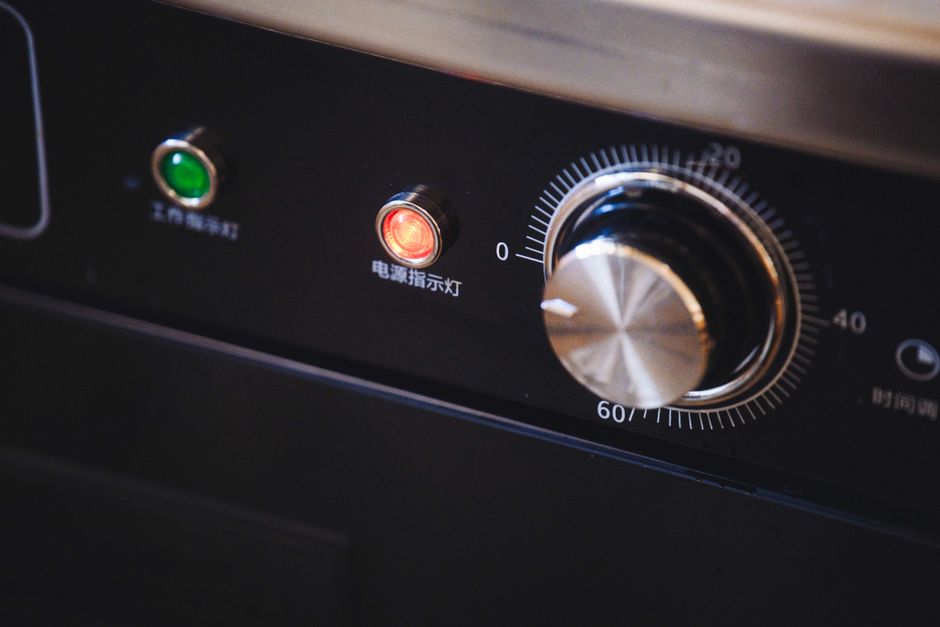
When it comes to sous vide cooking, having the right equipment is crucial for achieving perfect results every time. The core components you’ll need include a sous vide precision cooker, a water bath container, and vacuum-sealed bags. The sous vide precision cooker maintains a consistent water temperature throughout the cooking process, ensuring your food cooks evenly and retains its natural flavors. The water bath container should be large enough to hold the desired amount of food and water, and it’s recommended to use a lid to minimize water evaporation. Vacuum-sealed bags are essential for sealing in the flavors and juices of the ingredients, preventing any water from seeping in during the cooking process.
Tips for Perfect Sous Vide Results
To achieve perfect sous vide results, there are a few key tips to keep in mind. First and foremost, make sure to properly season your ingredients before vacuum-sealing them. This allows the flavors to penetrate the food evenly during the cooking process. Additionally, ensure that the food is placed in a single layer in the vacuum-sealed bags to guarantee uniform cooking. It’s also important to preheat the water bath to the desired temperature before adding the ingredients to ensure consistent cooking. Lastly, be mindful of the cooking times and temperatures recommended for different types of food to achieve the desired level of doneness and texture.
Sous Vide Cooking Times and Temperatures
Understanding the precise cooking times and temperatures is crucial when it comes to achieving perfect results with sous vide cooking. Different types of food require specific temperatures to reach the desired level of doneness, whether it’s rare, medium-rare, medium, or well-done. For example, a medium-rare steak typically needs to be cooked at around 130°F (54°C) for 1 to 2 hours, while chicken breast should be cooked at 140°F (60°C) for 1.5 to 4 hours. It’s essential to consult a reliable sous vide cooking guide or chart to ensure you’re cooking each type of food to its ideal temperature.
Experimenting with different cooking times and temperatures can help you customize your dishes to your preferred taste and texture. Sous vide allows for precision cooking, giving you the flexibility to achieve consistent results every time. Whether you’re cooking meats, vegetables, or desserts, understanding the recommended cooking times and temperatures will elevate your sous vide culinary experience and help you master the art of sous vide cooking.
Sous Vide Recipes for Beginners
Delicious Sous Vide Recipes to Get You Started
Embarking on your sous vide cooking journey? Here are some beginner-friendly sous vide recipes to help you master this cooking technique. Start with a classic like sous vide steak – perfectly cooked to your desired level of doneness every time. For a flavorful twist, try sous vide chicken breasts with herbs and garlic, ensuring juicy and tender results. Vegetarian? Opt for sous vide vegetables like carrots or asparagus, retaining their natural flavors and nutrients. Experiment with sous vide eggs for a foolproof way to achieve the perfect soft-boiled or poached egg. These simple recipes will introduce you to the wonders of sous vide cooking and inspire you to explore further.
Exploring Culinary Creativity with Sous Vide
Once you’ve mastered the basics, dive into more adventurous sous vide recipes to elevate your culinary skills. Impress your guests with sous vide salmon fillets infused with citrus and herbs for a gourmet dining experience. For a decadent dessert option, try sous vide crème brûlée for a creamy and caramelized treat. Don’t forget to explore sous vide cocktails, infusing spirits with unique flavors like fruits or spices. With sous vide, the possibilities are endless, allowing you to experiment with different ingredients and techniques to create restaurant-quality dishes in the comfort of your own kitchen.
Troubleshooting Common Issues in Sous Vide Cooking
When it comes to sous vide cooking, there can be some common issues that may arise, affecting the outcome of your dish. One typical problem is water evaporation during the cooking process, which can lead to inconsistent temperatures and longer cooking times. To combat this issue, ensure that your sous vide water bath is properly covered with a lid or plastic wrap to minimize evaporation.
Another common challenge is food floating in the water bath, preventing proper cooking. To solve this problem, try using sous vide weights or clips to keep your vacuum-sealed bags submerged. Additionally, if you notice that your food is not cooked to the desired doneness, it may be due to inaccurate temperature settings on your sous vide machine. Double-check the temperature calibration and make adjustments as needed to achieve perfect results.