
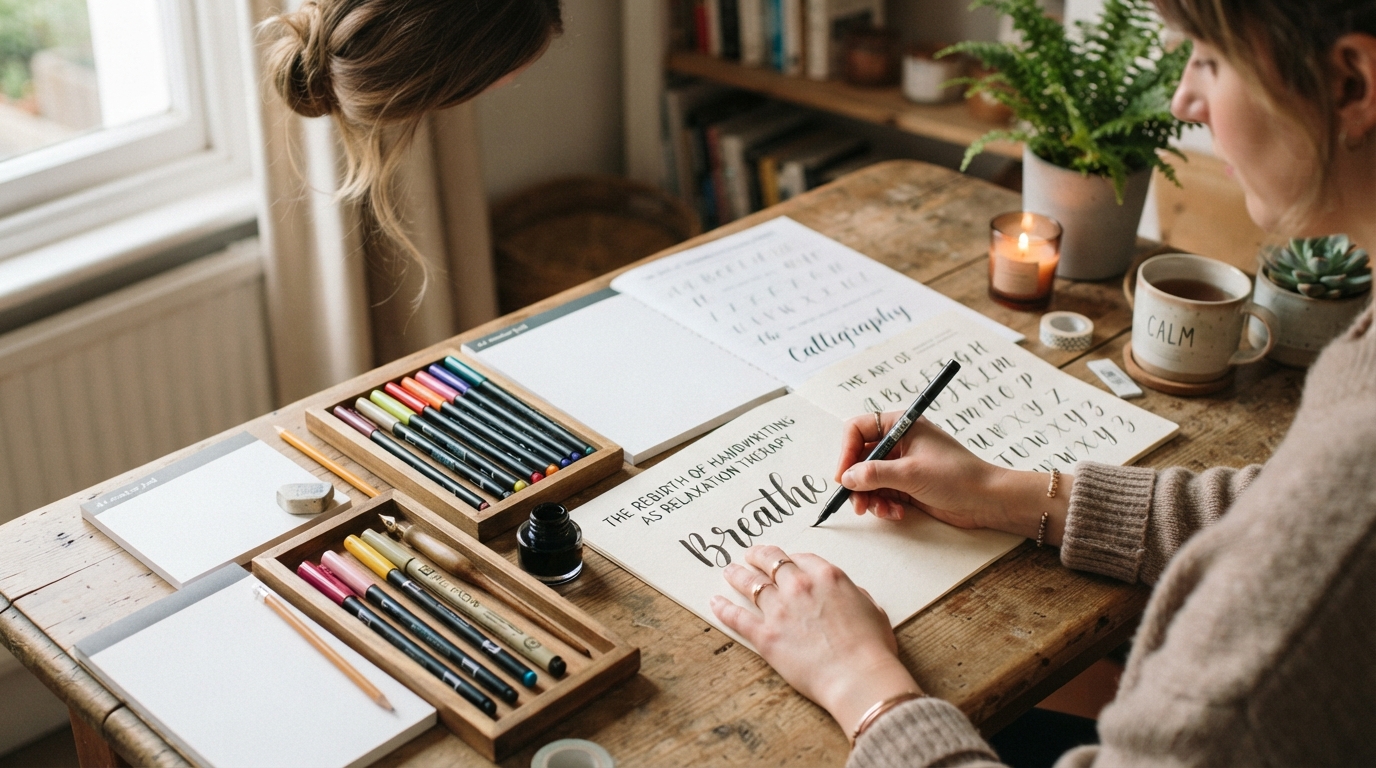
Do you find yourself constantly battling stress and digital fatigue in today’s fast-paced world? Have you noticed the gradual decline of the art of handwriting in your life, replaced by the cold, impersonal touch of typing on screens? The core problem we face is the loss of a deeply personal and therapeutic activity that once brought joy and calmness – the art of handwriting. In an era dominated by technology, many of us have forgotten the simple pleasure of putting pen to paper, expressing our thoughts and emotions through beautifully crafted words. This lack of connection with the physical act of writing not only impacts our creativity but also takes a toll on our mental well-being.
Imagine the frustration of never being able to escape the constant buzz of notifications, the endless scrolling on screens that leave your mind overstimulated and restless. The consequences of neglecting the art of handwriting are far-reaching, leading to a disconnect from our inner selves and a sense of emptiness that cannot be filled by the digital world. However, there is a solution that offers a path to rediscover the therapeutic benefits of handwriting and bring a sense of peace and mindfulness back into your life. Enter calligraphy and lettering kits, the tools that can reignite your passion for handwriting, not just as a means of communication but as a form of relaxation therapy. These kits provide everything you need to embark on a journey of self-expression and creativity, allowing you to slow down, focus, and immerse yourself in the beauty of handwritten words. Embrace the art of calligraphy and lettering, and rediscover the joy of writing as a soothing balm for your soul.
Benefits of Calligraphy as Relaxation Therapy
Calligraphy has been recognized not only for its aesthetic appeal but also for its therapeutic benefits. Engaging in calligraphy can serve as a form of relaxation therapy, helping individuals to unwind and de-stress in today’s fast-paced world. The rhythmic motion of creating beautiful lettering can have a calming effect on the mind, allowing practitioners to focus on the present moment and find a sense of peace.
Moreover, calligraphy requires a high level of concentration and precision, which can help improve mindfulness and promote mental clarity. By immersing oneself in the art of calligraphy, individuals can experience a meditative state that can reduce anxiety, increase self-awareness, and enhance overall well-being. Whether you are a beginner or an experienced calligrapher, incorporating calligraphy into your routine can be a therapeutic practice that nurtures both creativity and mental health.
Top Calligraphy and Lettering Kits for Beginners
For beginners looking to delve into the world of calligraphy and lettering, choosing the right kit is essential to kickstart your creative journey. Opting for a beginner-friendly calligraphy kit that includes essential tools such as nibs, ink, guidelines, and instructional materials can make the learning process smoother and more enjoyable. Some top calligraphy and lettering kits for beginners often come with a selection of nib sizes to experiment with different styles and techniques.
Additionally, beginner kits may include practice sheets and guides to help newcomers learn the basics of calligraphy strokes and letter formations. Investing in a quality starter kit can provide you with the necessary tools and resources to develop your skills and build a strong foundation in calligraphy. As you explore the world of calligraphy, having the right kit tailored to beginners’ needs can inspire creativity and foster a passion for this beautiful art form.

How to Get Started with Calligraphy
Calligraphy is a beautiful art form that requires practice and patience to master. If you are looking to get started with calligraphy, the first step is to invest in a good calligraphy kit. These kits typically include pens, nibs, ink, and practice sheets to help you learn the basics. Once you have your kit, start by familiarizing yourself with the different types of calligraphy styles and alphabets.
Next, find online tutorials or workshops to guide you through the basic techniques and strokes. Practice regularly to improve your skills and develop your own unique style. Remember that calligraphy is a journey, and progress takes time. Don’t be afraid to experiment and make mistakes – it’s all part of the learning process. With dedication and practice, you’ll be creating beautiful calligraphy pieces in no time.
Exploring Different Calligraphy Styles
Calligraphy is a beautiful art form that encompasses various styles, each with its own unique characteristics and history. From traditional scripts like Copperplate and Spencerian to modern styles like brush lettering and Gothic, there is a wide range of calligraphy styles to explore. Each style requires different tools and techniques, offering endless opportunities for creativity and self-expression.
By experimenting with different calligraphy styles, you can discover which ones resonate most with you and hone your skills in those particular styles. Whether you prefer the elegance of classical scripts or the boldness of contemporary lettering, exploring different calligraphy styles can help you develop a versatile and distinctive approach to your craft.
Calligraphy Supplies You Need to Get Started
Before diving into the art of calligraphy, it’s essential to gather the necessary supplies to set yourself up for success. The basic tools you’ll need include high-quality calligraphy pens or nibs, ink, paper, and a proper workspace. Calligraphy pens come in a variety of styles such as fountain pens, brush pens, or dip pens with interchangeable nibs. Experimenting with different types will help you find the one that suits your style best.
When choosing ink, opt for pigmented or waterproof inks to prevent smudging and ensure longevity. Quality paper is also crucial as it can affect the way the ink flows and dries on the page. Additionally, having a comfortable and well-lit workspace will enhance your calligraphy experience and improve your overall results. By investing in the right supplies, you’ll be well-equipped to start your calligraphy journey with confidence.
Tips for Improving Your Calligraphy Skills
Consistent Practice: The key to improving your calligraphy skills is consistent practice. Set aside dedicated time each day to work on your lettering techniques. Practice forming letters, words, and phrases to build muscle memory and improve your overall proficiency.
Study Different Styles: Explore various calligraphy styles to broaden your skills and understanding of lettering techniques. Study traditional and modern calligraphy styles to learn different flourishes, strokes, and embellishments that can enhance your work.
Seek Feedback: Share your work with fellow calligraphers or online communities to receive constructive feedback. Feedback can help you identify areas for improvement and provide valuable insights on how to enhance your technique.
Experiment with Tools: Don’t be afraid to experiment with different calligraphy tools and materials. Test out different pens, nibs, inks, and papers to discover what works best for your style and preferences.