
Do you find yourself slouched over your desk for hours on end, feeling the strain in your neck and lower back by the end of the day? The core problem many of us face in today’s sedentary work environment is poor posture, which can lead to a myriad of health issues over time. Whether you work from home or in an office setting, maintaining good posture is essential for your overall well-being, productivity, and long-term health. This is where the concept of standing desks comes into play, offering a potential solution to combat the negative effects of prolonged sitting.
Imagine the constant ache in your shoulders, the stiffness in your spine, and the lack of energy that accompanies poor posture. The consequences of neglecting your body’s need for proper alignment can be detrimental, affecting not only your physical health but also your mental clarity and focus. As you continue to hunch over your desk, unaware of the long-term impact on your body, the frustration grows, and the discomfort becomes a daily struggle. But fret not, there is a solution at hand – the innovative world of standing desks. By incorporating a standing desk into your workspace, you can actively combat the negative effects of prolonged sitting, improve your posture, and boost your overall health and productivity. So, why settle for discomfort and health risks when you can elevate your workspace with a standing desk that caters to your needs and preferences? Let’s delve into the posture impact and dual-motor comparison of standing desks to help you make an informed decision that will revolutionize your work environment.
Importance of Posture in the Workplace
Posture plays a crucial role in maintaining overall health and wellbeing in the workplace. Poor posture can lead to various musculoskeletal issues, such as neck and back pain, which can significantly impact productivity and quality of work. Sitting for prolonged periods without proper ergonomic support can result in muscle stiffness, reduced circulation, and increased fatigue. Maintaining good posture while working can help prevent these issues and promote better focus and efficiency.
Impact of Standing Desks on Posture
Standing desks have gained popularity for their potential to improve posture and reduce the negative effects of prolonged sitting. By allowing users to alternate between sitting and standing throughout the day, these desks promote better alignment of the spine, engage core muscles, and reduce the strain on the lower back. Incorporating standing desks into the workplace environment can encourage employees to adopt healthier postural habits, leading to decreased discomfort and improved overall well-being. It is essential to educate employees on proper desk ergonomics and encourage regular posture checks to maximize the benefits of standing desks.
Benefits of Using Dual-Motor Standing Desks
When it comes to enhancing productivity and overall well-being in the workplace, dual-motor standing desks are a game-changer. These innovative desks offer a wide range of benefits that cater to the needs of modern professionals. With the ability to easily switch between sitting and standing positions, dual-motor standing desks promote better blood circulation, reduce the risk of musculoskeletal problems, and boost energy levels throughout the day.
Moreover, the customizable height settings of dual-motor standing desks allow users to find their ideal ergonomic position, leading to improved focus and comfort during long work hours. By investing in a dual-motor standing desk, individuals can experience increased productivity, reduced fatigue, and better overall health outcomes in the workplace.
Impact of Standing Desks on Posture
Posture plays a crucial role in maintaining musculoskeletal health, especially in sedentary work environments. Standing desks have been shown to have a positive impact on posture by encouraging users to alternate between sitting and standing positions throughout the day. By reducing the amount of time spent sitting and providing a more dynamic work environment, standing desks help alleviate pressure on the spine, neck, and shoulders.
Additionally, standing desks promote better alignment of the spine and encourage core engagement, which are essential for maintaining a healthy posture. Over time, incorporating standing desks into the workplace can lead to improved posture, reduced risk of postural issues, and enhanced overall well-being for employees. Making the switch to standing desks is a proactive step towards prioritizing posture health and creating a more ergonomic workspace.
Benefits of Using Dual-Motor Standing Desks
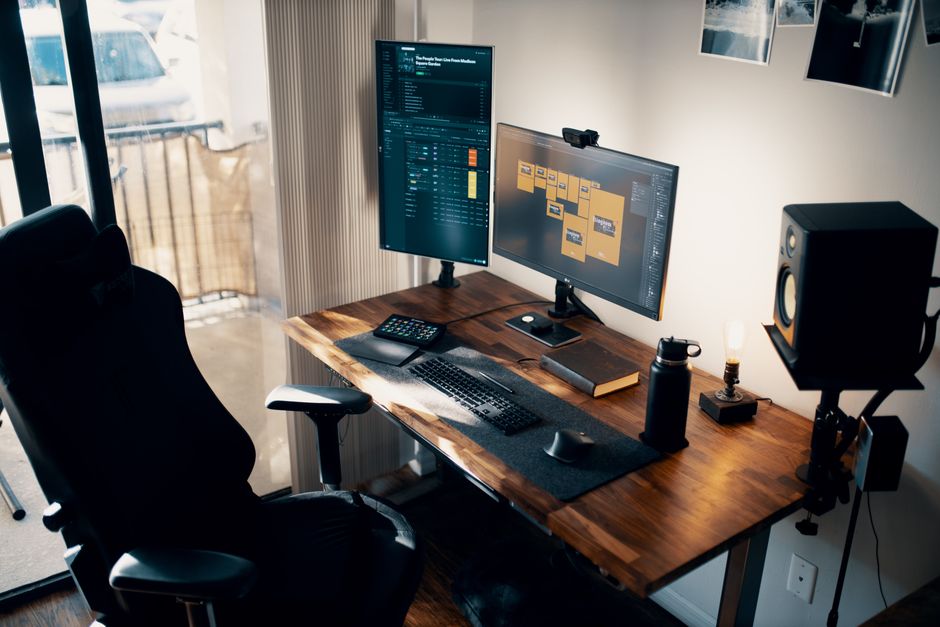
Dual-motor standing desks offer a myriad of advantages for individuals looking to improve their workspace ergonomics. These desks provide smoother height adjustments, increased weight capacity, and enhanced stability compared to single-motor models. The dual motors ensure that the desk transitions seamlessly from sitting to standing positions, promoting better posture and reducing the risk of musculoskeletal issues.
Furthermore, dual-motor standing desks allow users to customize their desk setup to suit their specific needs, whether they prefer to work while sitting, standing, or alternating between the two. With programmable height settings and intuitive controls, these desks make it easier for individuals to maintain a healthy balance between sitting and standing throughout the workday, ultimately leading to increased productivity and overall well-being.
Comparison of Dual-Motor Standing Desks
Height Adjustment
When comparing dual-motor standing desks, one key factor to consider is the range of height adjustment they offer. Some models provide a broader height range, allowing for more flexibility in finding the ideal ergonomic position. It’s essential to choose a desk that caters to both shorter and taller individuals to ensure optimal comfort and posture support.
Stability and Weight Capacity
Another crucial aspect to evaluate is the stability and weight capacity of dual-motor standing desks. Higher weight capacity desks are more durable and less prone to wobbling, providing a steady workspace for tasks that require precision and focus. Opting for a desk with a robust frame and solid construction ensures long-term reliability and performance.
Impact of Standing Desks on Posture
Standing desks have revolutionized the way we work by promoting better posture and reducing the negative effects of prolonged sitting. By alternating between sitting and standing throughout the workday, individuals can alleviate strain on their back, neck, and shoulders. This dynamic movement encourages better alignment of the spine and engagement of core muscles, leading to improved overall posture.
Furthermore, using standing desks can help prevent musculoskeletal issues such as back pain and stiffness, which are common problems associated with sedentary work environments. By incorporating standing into the daily routine, individuals can maintain a more active and ergonomic workspace, ultimately contributing to better posture and long-term health.
Tips for Using Standing Desks Correctly
When using a standing desk, it is essential to maintain proper posture to maximize its benefits. Ensure that your monitor is at eye level, your elbows are at a 90-degree angle, and your feet are flat on the ground. Remember to switch between sitting and standing every 30 to 60 minutes to avoid strain and fatigue.
Additionally, consider investing in an anti-fatigue mat to reduce pressure on your joints and muscles while standing. Incorporating gentle stretches and movements throughout the day can also help alleviate tension and promote blood circulation. By following these tips and listening to your body’s cues, you can make the most of your standing desk experience and enhance your overall well-being.
Tips for Using Standing Desks Correctly
When using standing desks, proper ergonomics is key to maximizing their benefits and avoiding strain. Begin by setting the desk at elbow height to maintain a 90-degree angle at your elbows and wrists, ensuring proper alignment and reducing tension. Remember to stand upright with your shoulders relaxed and your feet flat on the floor, maintaining a slight bend in your knees to promote blood circulation. It’s also important to alternate between sitting and standing throughout the day to prevent muscle fatigue and encourage movement.
Additionally, consider investing in an anti-fatigue mat to reduce pressure on your joints and feet, and use a monitor riser to position your screen at eye level, preventing neck strain. Take regular breaks to stretch, walk, or perform light exercises to keep your body active and maintain your energy levels. By following these tips and listening to your body’s cues, you can make the most of your standing desk setup and promote a healthier work environment.
Conclusion and Recommendations
Conclusion: Standing desks are becoming increasingly popular in modern workplaces due to their potential benefits for posture, productivity, and overall health. As more studies highlight the negative impact of prolonged sitting on our bodies, the shift towards standing desks is seen as a positive step towards combating sedentary lifestyles. By promoting movement and better posture, standing desks offer a practical solution to the challenges posed by traditional desk setups.
Recommendations: To make the most of standing desks, it is essential to ensure proper ergonomics and usage. Regularly switching between sitting and standing positions, adjusting the desk height to maintain a neutral posture, and incorporating movement breaks throughout the day are key recommendations. Additionally, investing in a quality dual-motor standing desk can provide greater flexibility and customization options for users, promoting a comfortable and efficient work environment.