
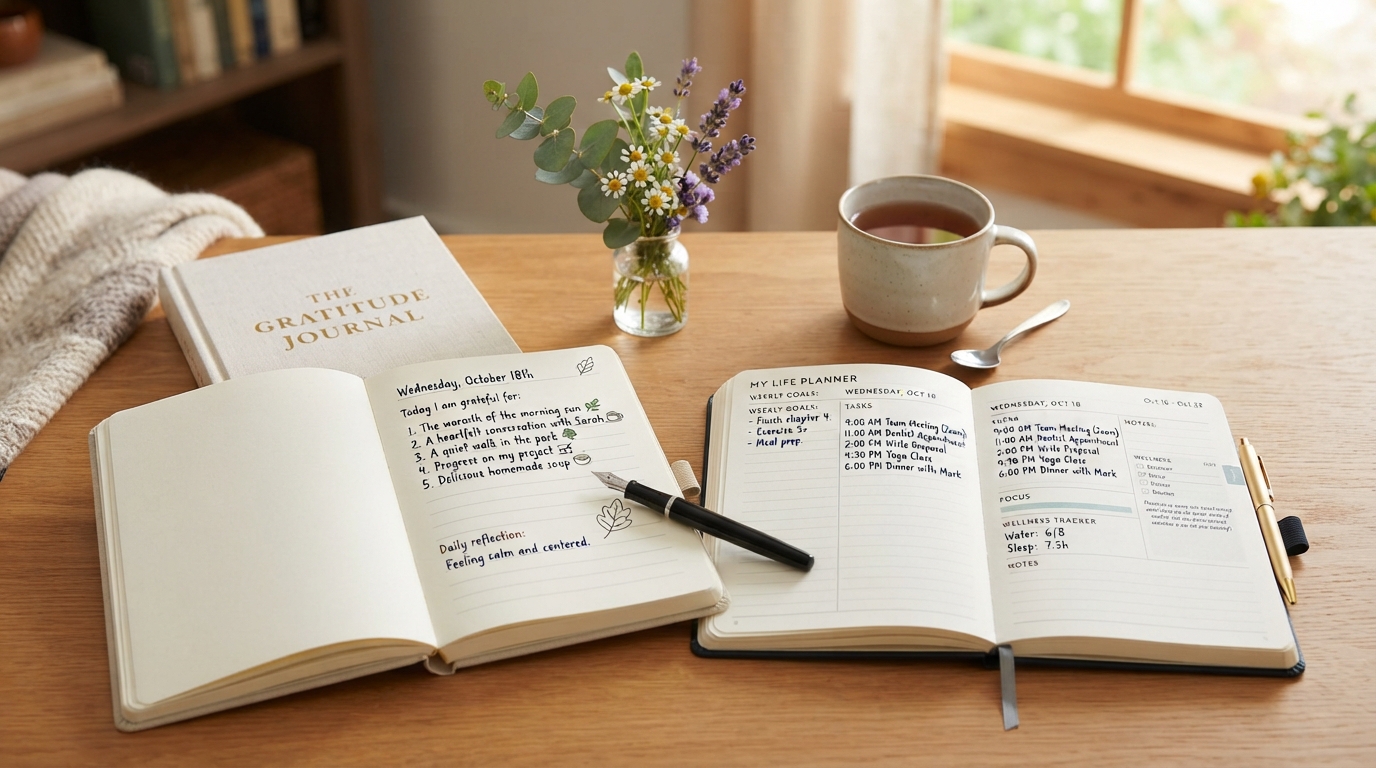
Do you ever find yourself overwhelmed by the chaos of daily life, struggling to find moments of peace and gratitude amidst the hustle and bustle? It’s a common predicament in today’s fast-paced world, where stress and anxiety often overshadow the beauty and richness of our experiences. The core problem many of us face is a disconnect from our emotions and a lack of mindfulness in our day-to-day routines. This disconnect can lead to feelings of emptiness, dissatisfaction, and a general sense of being adrift in the currents of life.
Imagine waking up each morning feeling grateful, purposeful, and in tune with your emotions. Picture a life where you navigate challenges with resilience, cultivate a positive mindset, and find joy in the little things. The consequences of not addressing this emotional imbalance can be profound, affecting not only our mental well-being but also our physical health and relationships. However, there is a solution at hand – the powerful combination of gratitude journals and life planners. These tools serve as beacons of light in the darkness, guiding us towards a more fulfilling and emotionally balanced existence. By incorporating these practices into our daily lives, we can embark on a transformative journey towards emotional well-being and inner peace. So, are you ready to unlock the secrets to a more joyful and harmonious life? Let’s dive in!
Types of Gratitude Journals
Gratitude journals come in various types, each catering to different preferences and needs. One common type is the traditional paper journal, where individuals can physically write down their thoughts and reflections on a daily basis. This method allows for a tangible and personal connection to the practice of gratitude. Another type is digital gratitude journals, which offer the convenience of accessing and updating entries on electronic devices. This type is suitable for those who prefer a more tech-savvy approach or want to easily incorporate gratitude journaling into their digital routines. Additionally, there are guided gratitude journals that provide prompts and exercises to help users delve deeper into their feelings of gratitude and self-reflection. These guided journals can be beneficial for individuals who may need extra structure or inspiration in their gratitude practice.
Types of Life Planners
Life planners come in various formats and designs, each tailored to assist individuals in organizing and optimizing their daily lives. One popular type is the daily planner, which allows users to plan out their tasks, appointments, and goals on a day-to-day basis. This type of planner is ideal for those who prefer detailed scheduling and tracking of their daily activities. Another type is the weekly planner, which offers a broader overview of the week ahead, allowing users to plan and prioritize tasks for the entire week. Weekly planners are great for individuals who like to see their schedules at a glance and make strategic decisions for the upcoming days. Additionally, there are goal-oriented planners that focus on helping users set and achieve specific goals, whether they are related to personal development, career advancement, or health and wellness. These planners often include goal-setting worksheets, progress trackers, and motivational prompts to keep users motivated and on track towards their objectives.
Types of Gratitude Journals
Gratitude journals come in various forms to suit different preferences and lifestyles. One common type is the traditional paper journal, where individuals can physically write down their thoughts and reflections on gratitude. Digital gratitude journals are also popular, allowing users to jot down their daily gratitudes on electronic devices. Another type is the guided gratitude journal, which provides prompts and exercises to help individuals cultivate a deeper sense of gratitude. Additionally, there are themed gratitude journals that focus on specific aspects of life, such as relationships, career, or personal growth. No matter the type, the key is to find a format that resonates with you and encourages consistent practice.
Tips for Maintaining a Gratitude Journal
Maintaining a gratitude journal is a powerful practice that can enhance well-being and positivity in daily life. To make the most of your gratitude journal, consider setting aside a specific time each day to reflect on what you are grateful for. Start small by jotting down just a few things each day, and gradually increase the number as you get more comfortable with the practice. Be specific in your entries, focusing on the details and emotions associated with each gratitude. It can also be helpful to include a mix of big and small gratitudes to appreciate all aspects of your life. Lastly, don’t be too hard on yourself if you miss a day – the key is to approach your gratitude journal with a sense of openness and curiosity.
Benefits of Life Planners
Life planners are powerful tools that can help individuals organize their tasks, set goals, and manage their time effectively. One of the key benefits of using a life planner is improved productivity. By having a clear overview of your daily, weekly, and monthly tasks, you can prioritize your activities and focus on what truly matters. Life planners also help in reducing stress and anxiety by providing a structured approach to managing your responsibilities.
Another significant benefit of life planners is the ability to track progress towards your goals. By setting specific objectives and deadlines, you can stay motivated and on track to achieve your desired outcomes. Additionally, life planners can enhance time management skills, leading to better work-life balance and increased overall satisfaction. Overall, incorporating a life planner into your daily routine can lead to greater efficiency, organization, and goal accomplishment.
Types of Life Planners
When it comes to life planners, there are various types available to cater to different preferences and needs. Some popular types include daily planners, weekly planners, monthly planners, and even digital planners. Daily planners are ideal for individuals who prefer detailed scheduling and task management on a day-to-day basis. Weekly planners offer a broader view of the week ahead, allowing for better planning and preparation.
For those who prefer a more long-term approach, monthly planners can provide a comprehensive overview of important dates, events, and goals for the month. Digital planners have gained popularity for their convenience and accessibility, allowing users to organize their lives digitally across various devices. No matter the type, choosing a life planner that aligns with your lifestyle and preferences can greatly enhance your productivity and organization.
Types of Life Planners
Life planners come in various formats to cater to different preferences and needs. One popular type is the traditional paper planner, which allows for a hands-on approach to organizing tasks, events, and goals. These planners often include monthly and weekly layouts, sections for notes, and goal-setting pages to help users stay on track. Another type is digital planners, which offer the convenience of accessing and updating schedules on electronic devices. Digital planners can sync across multiple devices, making it easy to keep everything in one place and stay organized on the go. Some digital planners even come with features like goal tracking, habit monitoring, and reminders to enhance productivity and efficiency.
Tips for Effective Planning
Effective planning is essential for achieving goals and managing tasks efficiently. One key tip is to prioritize tasks based on their importance and deadlines. By focusing on high-priority items first, you can ensure that critical tasks are completed on time. Another tip is to break down larger goals into smaller, manageable tasks. This approach helps prevent feeling overwhelmed and allows for steady progress towards the overall goal. Additionally, setting aside dedicated time for planning each day or week can help maintain organization and clarity. Regularly reviewing and adjusting plans as needed is also crucial for staying flexible and adapting to changing circumstances. By following these tips, you can optimize your planning process and improve productivity in various aspects of your life.
Tips for Effective Planning
Consistency is Key: Make sure to set aside dedicated time each day or week to review and update your life planner. Consistent planning helps you stay organized and ensures you are on track with your goals.
Prioritize Tasks: Use a system to prioritize your tasks such as the Eisenhower Matrix or the ABC method. This will help you focus on important tasks and avoid getting overwhelmed with less critical ones.
Set Realistic Goals: When planning, make sure your goals are achievable and realistic. Setting unrealistic goals can lead to frustration and demotivation. Break down larger goals into smaller, manageable tasks to make progress more achievable.
Review and Reflect: Take time to review your progress regularly and reflect on what worked well and what didn’t. Adjust your planning strategies accordingly to improve your efficiency and effectiveness in achieving your goals.