

Are you tired of overcooking your steaks or ending up with dry, tasteless baked goods? The struggle to achieve the perfect doneness in meat or precise baking results can be all too real. Picture this: you’ve spent hours preparing a meal, only to have it ruined by inaccurate cooking temperatures. Your frustration peaks as you serve a tough, overcooked steak or a cake that’s either underbaked or burnt. The seemingly simple act of cooking becomes a daunting task when you can’t rely on guesswork alone to determine when your food is ready. These kitchen mishaps not only waste your time and effort but also leave you feeling disappointed with the outcome.
But fear not, there is a solution to your culinary woes! Introducing digital kitchen thermometers – the essential tool every home cook and baker should have in their arsenal. With precise temperature readings at your fingertips, you can say goodbye to under or overcooked dishes. Imagine effortlessly monitoring the internal temperature of your meat or ensuring your cakes are perfectly baked to golden perfection every time. Say goodbye to guesswork and hello to consistent, mouthwatering results that will impress even the most discerning of palates. Get ready to elevate your cooking game and transform your kitchen into a place where culinary excellence reigns supreme. So, why settle for mediocre when you can achieve culinary perfection with the help of digital kitchen thermometers?
Benefits of Using Digital Kitchen Thermometers
Digital kitchen thermometers offer numerous benefits for home cooks and professional chefs alike. One of the primary advantages is their accuracy in temperature readings, ensuring that your food is cooked to perfection every time. With digital thermometers, you can easily monitor the internal temperature of your meat, poultry, or baked goods, helping you avoid undercooked or overcooked dishes.
Another benefit of digital kitchen thermometers is their speed and efficiency. These devices provide instant temperature readings, allowing you to quickly check the doneness of your food without having to wait for the thermometer to stabilize. Additionally, many digital thermometers come with preset temperature settings for different types of food, making it easier to achieve the desired level of doneness without guesswork.
Types of Digital Kitchen Thermometers
There are several types of digital kitchen thermometers available on the market to suit different cooking needs. Instant-read digital thermometers are ideal for quick temperature checks and are great for checking the doneness of steaks, roasts, and poultry. Oven-safe digital thermometers can be left in the food while it cooks, providing continuous temperature monitoring without the need to open the oven door.
Wireless digital thermometers are perfect for monitoring temperatures from a distance, allowing you to keep an eye on your food without being tethered to the oven. Probe thermometers are versatile tools that can be used for both meat and baked goods, with a probe that can be inserted into the food to accurately measure its internal temperature. Each type of digital thermometer offers unique features to enhance your cooking experience and help you achieve perfect results every time.
Types of Digital Kitchen Thermometers
Digital kitchen thermometers come in various types, each designed for specific cooking needs. Instant-read thermometers are ideal for quick temperature checks of food items like meats, ensuring they are cooked to perfection. Oven-safe thermometers can be left in the food while it cooks, providing continuous temperature monitoring for precise results. Probe thermometers with long, heat-resistant cords are great for monitoring temperatures during the cooking process without opening the oven door.
Wireless digital thermometers allow you to monitor food temperature remotely, making multitasking in the kitchen easier. Infrared thermometers are excellent for quick surface temperature readings without making physical contact with the food. Each type of digital kitchen thermometer has its unique features and benefits, catering to different cooking methods and preferences.
How to Choose the Right Digital Kitchen Thermometer
When selecting a digital kitchen thermometer, consider factors such as accuracy, speed, and ease of use. Look for thermometers with quick response times to get instant temperature readings for time-sensitive cooking tasks. Ensure the thermometer is accurate within a tight range to guarantee precision in your cooking results.
Choose a thermometer with a user-friendly interface and clear display for effortless operation. Consider the thermometer’s durability and maintenance requirements to ensure long-lasting use. Additionally, opt for a thermometer that offers versatile temperature ranges suitable for various cooking applications. By selecting the right digital kitchen thermometer that meets your specific needs, you can enhance your cooking experience and achieve consistent, delicious results.
Types of Digital Kitchen Thermometers
Digital kitchen thermometers come in various types to suit different cooking needs. Instant-read thermometers are versatile and provide quick temperature readings, perfect for checking the doneness of meat or baked goods. Oven-safe thermometers can be left in the food while it cooks, monitoring the temperature continuously to ensure it’s cooked to perfection. Probe thermometers are great for monitoring large cuts of meat in the oven or on the grill, with a probe that stays in the food while the display sits outside the oven for easy reading. Wireless thermometers allow you to monitor the temperature from a distance, ideal for slow-cooking foods or grilling outdoors.
How to Choose the Right Digital Kitchen Thermometer
When selecting a digital kitchen thermometer, consider factors such as accuracy, speed, and ease of use. Look for a thermometer with a fast response time to quickly get accurate readings. Ensure it has a wide temperature range suitable for the types of food you typically cook. Choose a thermometer with a clear display that is easy to read, especially in low-light conditions. Consider the probe length and materials for durability and safety. Some thermometers offer additional features like preset temperature alarms or programmable settings for customized cooking needs. By selecting a thermometer that meets your specific cooking requirements, you can enhance your culinary skills and ensure consistent results in the kitchen.
Using Digital Kitchen Thermometers for Meat
Meat thermometers are essential tools for ensuring that your meat is cooked to the perfect temperature, guaranteeing both safety and taste. Using a digital kitchen thermometer for meat allows you to accurately monitor the internal temperature of the meat, ensuring that it reaches the recommended safe level to kill harmful bacteria. Different types of meat require different internal temperatures for doneness, and a digital thermometer takes the guesswork out of achieving the desired level of doneness, whether you prefer your meat rare, medium, or well-done.
Benefits of Using Digital Kitchen Thermometers for Meat:
1. Accuracy: Digital kitchen thermometers provide precise temperature readings, ensuring your meat is cooked safely and to your liking.
2. Convenience: With quick and easy temperature readings, digital thermometers make checking the doneness of meat a simple task.
3. Consistency: Using a thermometer consistently helps you avoid undercooked or overcooked meat, providing a consistent cooking experience every time.
Using Digital Kitchen Thermometers for Baking
Accuracy is key when it comes to baking, and a digital kitchen thermometer can be your best ally in achieving perfect results every time. Whether you’re making bread, pastries, or cakes, knowing the exact temperature of your ingredients and baked goods is crucial for consistency and success. With a digital kitchen thermometer, you can easily monitor the temperature of your dough, liquids, and oven, ensuring that your baked goods are cooked to perfection.
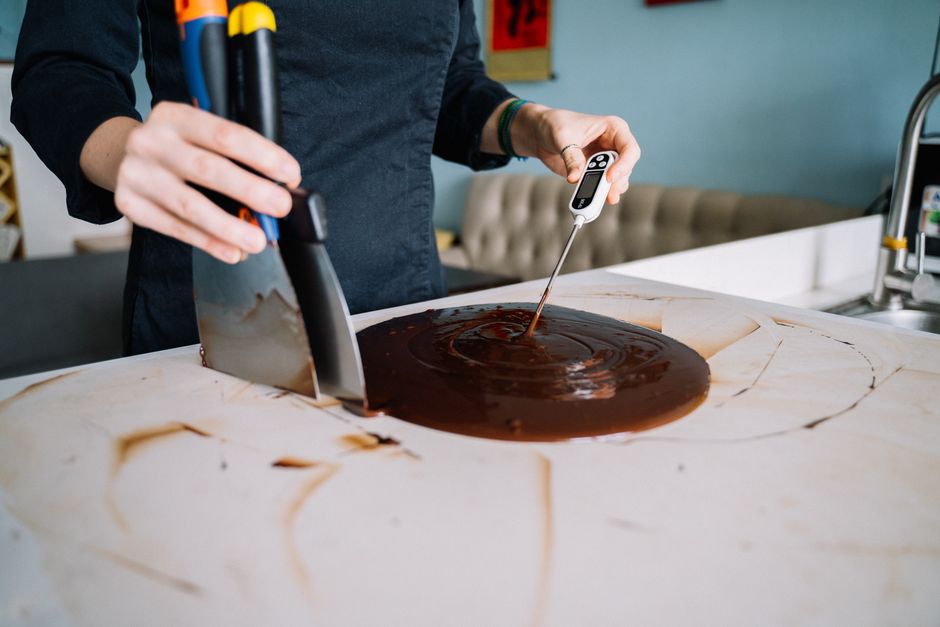
One of the most common uses of a digital kitchen thermometer in baking is to check the internal temperature of bread or cakes to ensure they are fully cooked. By inserting the thermometer into the center of the baked good, you can quickly determine if it has reached the desired temperature and avoid undercooked or overbaked results. Additionally, a digital kitchen thermometer can help you monitor the temperature of ingredients like melted chocolate or sugar syrups, ensuring they are at the precise temperature required for your recipes. Overall, using a digital kitchen thermometer for baking can elevate your baking skills and help you achieve consistent, delicious results.
Tips for Maintaining and Cleaning Digital Kitchen Thermometers
Maintaining and cleaning your digital kitchen thermometer is essential to ensure accuracy and longevity. To keep your thermometer in optimal condition, regularly calibrate it according to the manufacturer’s instructions. Additionally, cleaning the probe after each use with warm, soapy water and a soft cloth will help prevent cross-contamination and ensure accurate readings.
When storing your digital kitchen thermometer, make sure to keep it in a safe place away from extreme temperatures and humidity. Avoid submerging the entire thermometer in water, as this can damage the internal components. With proper care and maintenance, your digital kitchen thermometer will continue to provide accurate temperature readings for years to come.